Chelmos-Vouraikos UNESCO Global Geopark
A Few Words
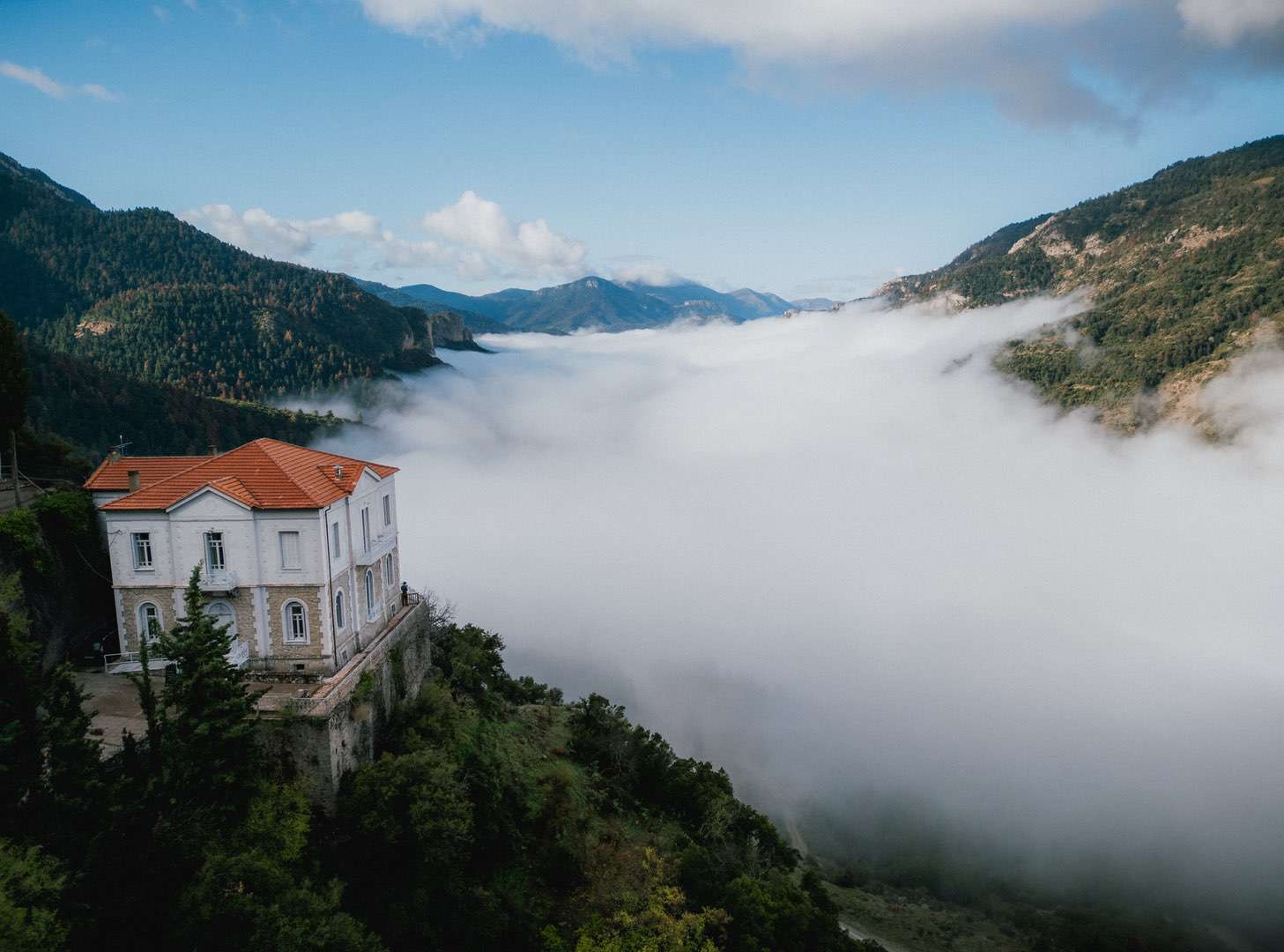
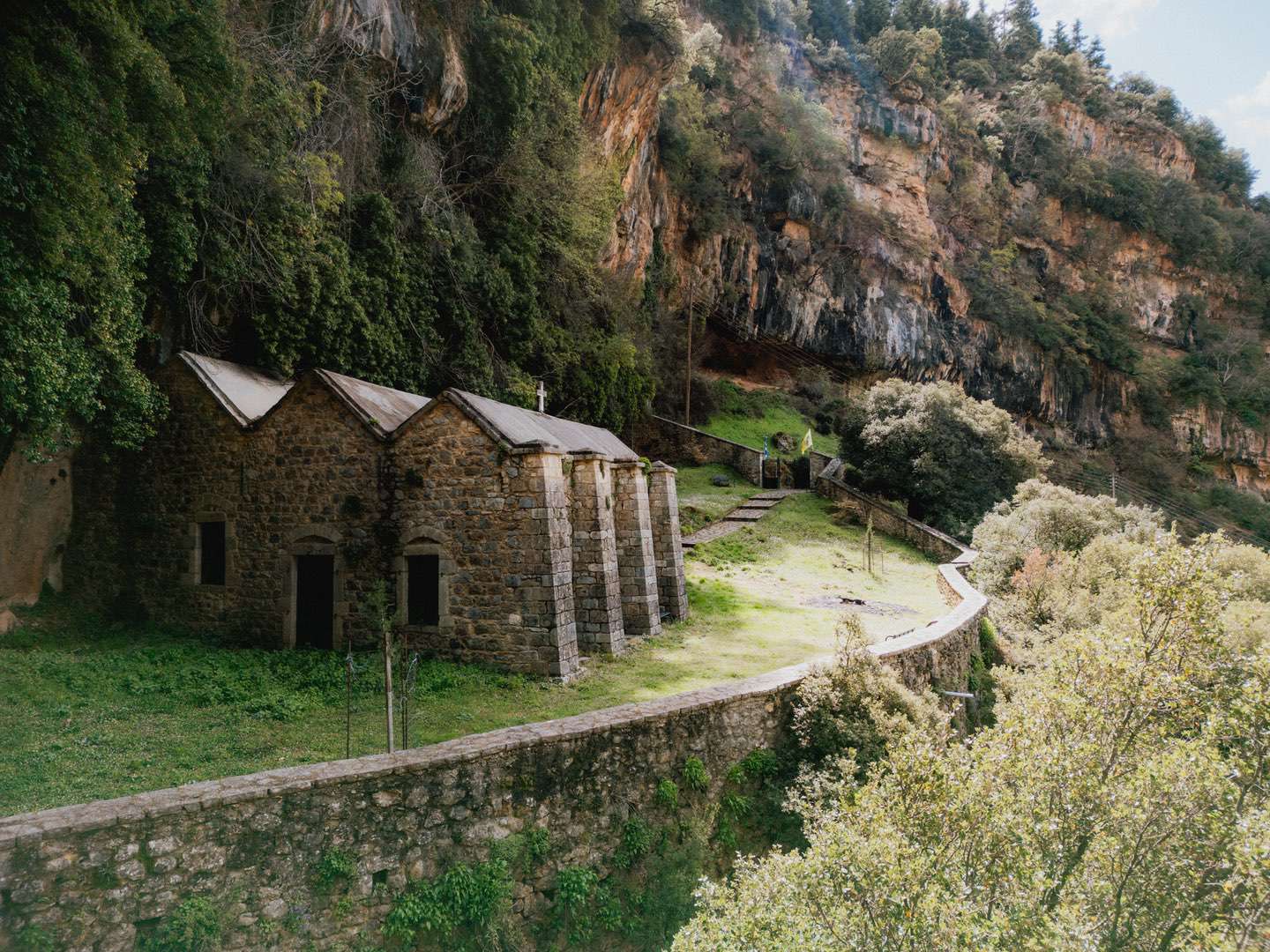
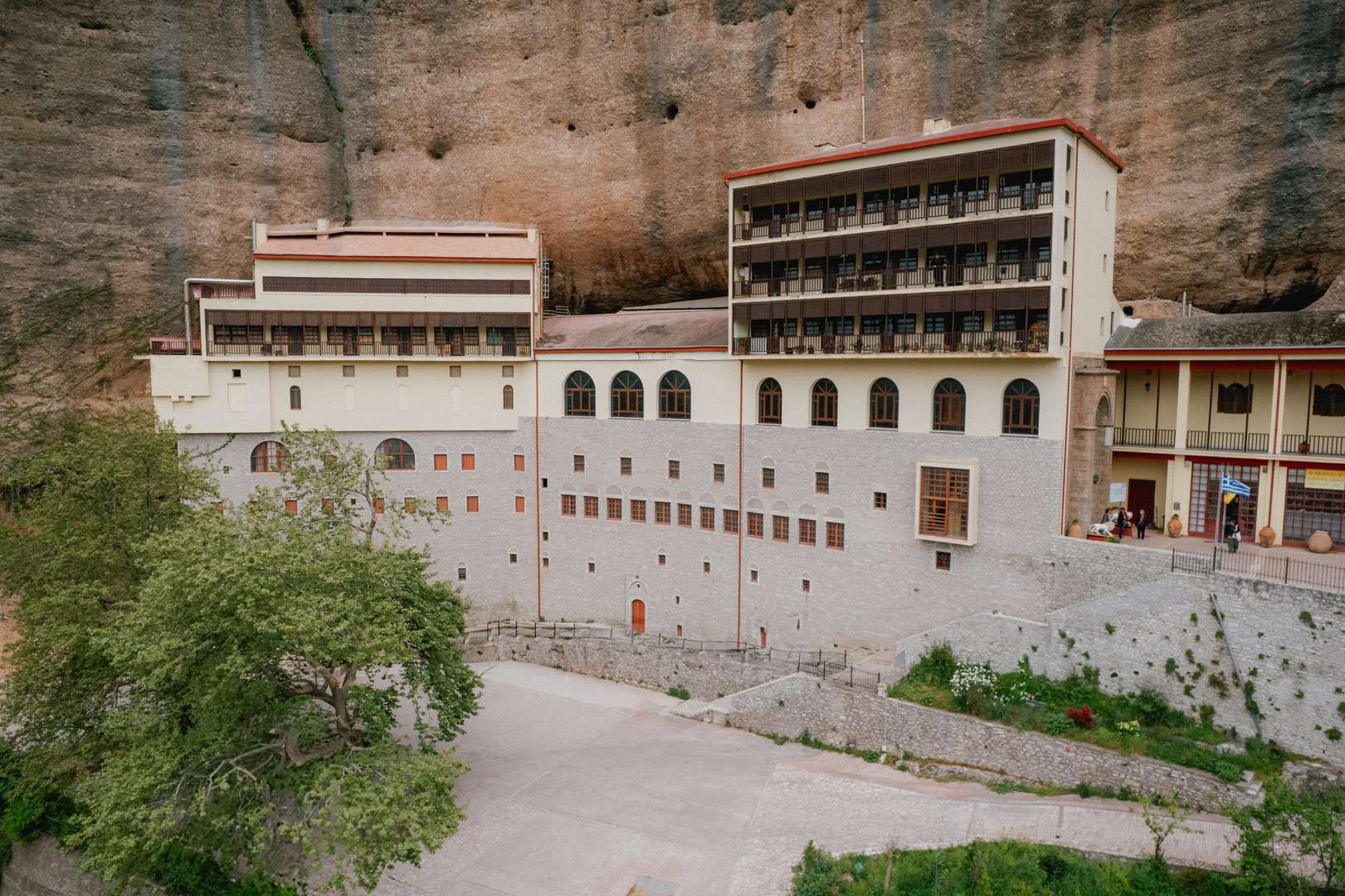
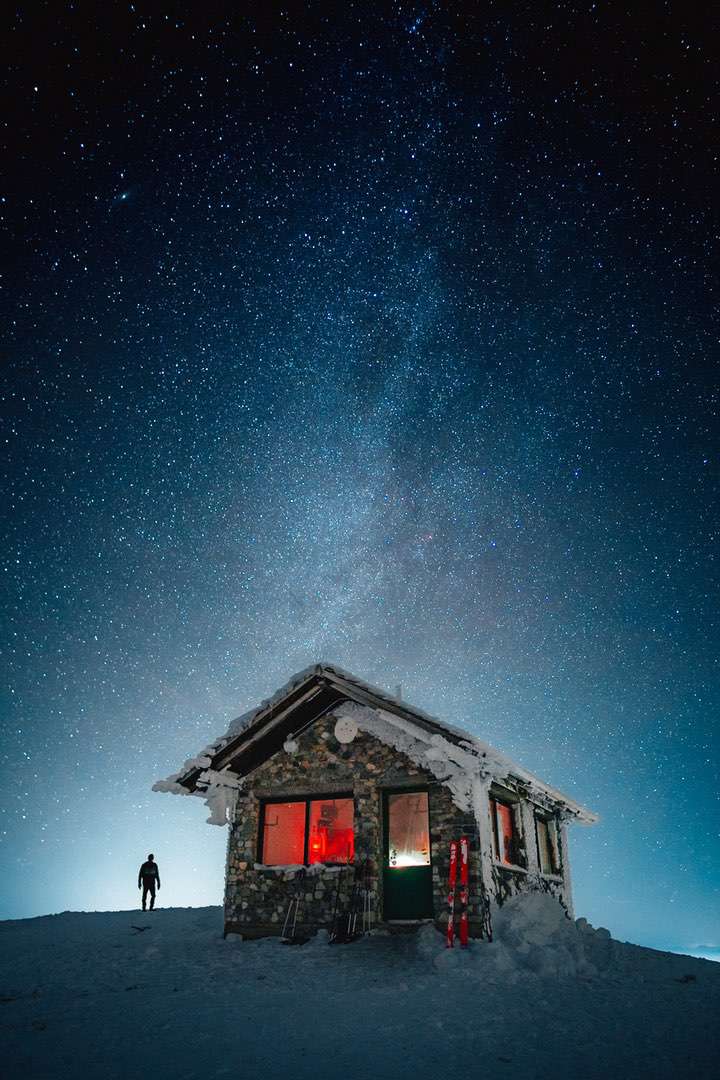
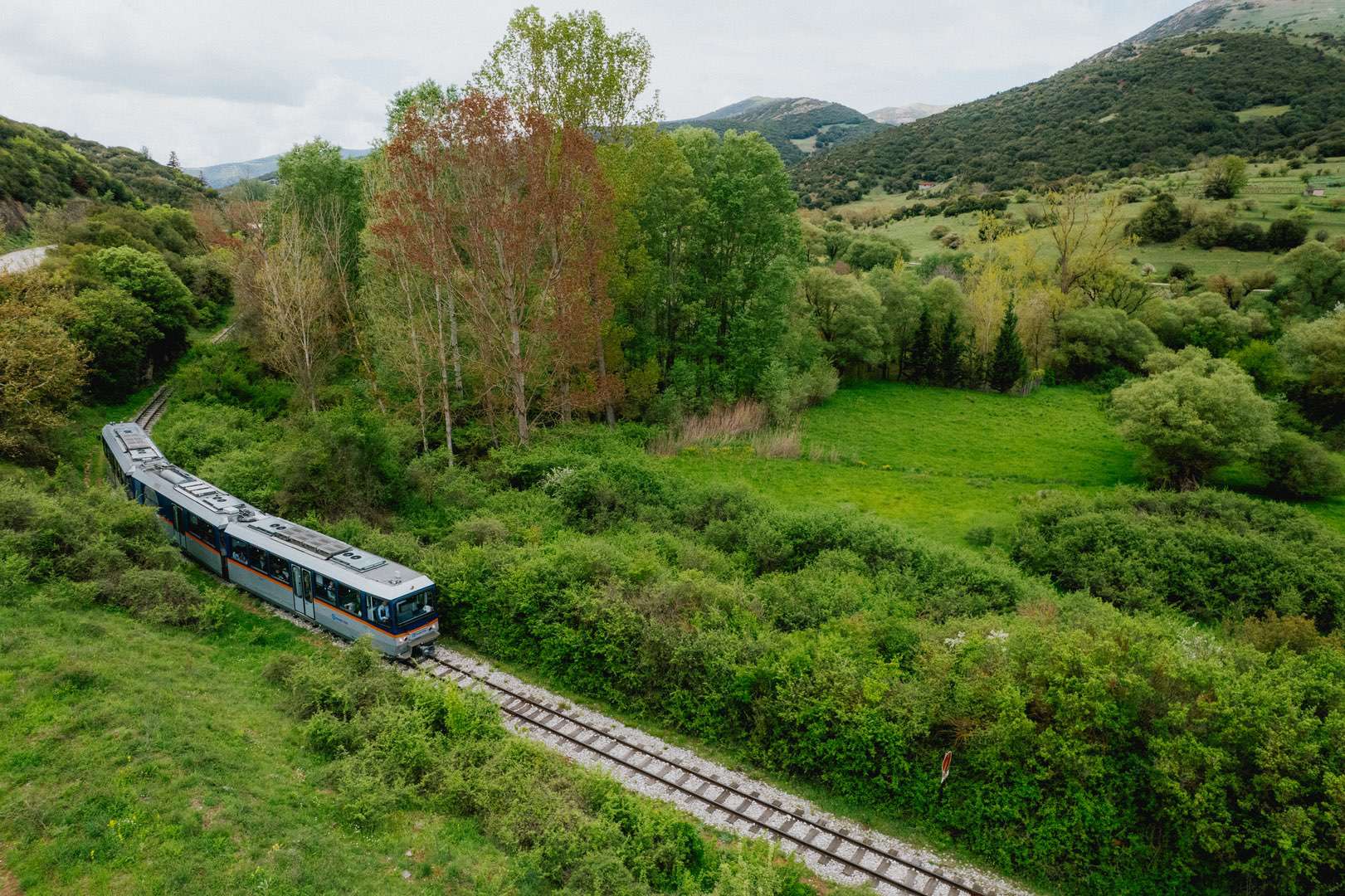
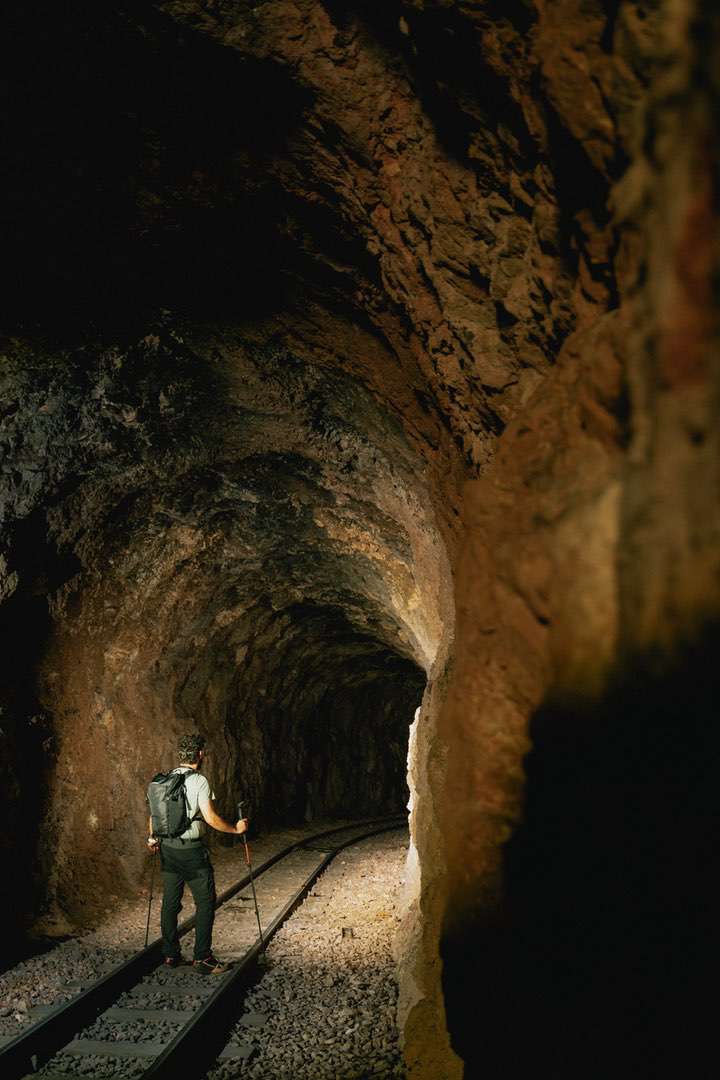
The Chelmos-Vouraikos UNESCO Global Geopark, spanning 647 sq. km. in the Northern Peloponnese, is a unique destination due to its combination of geological, natural, and cultural elements. It joined the UNESCO network in 2015 and features 43 geosites and 7 geo-routes that highlight the area’s rich geology, biodiversity, and history, with its administrative center in Kalavryta.
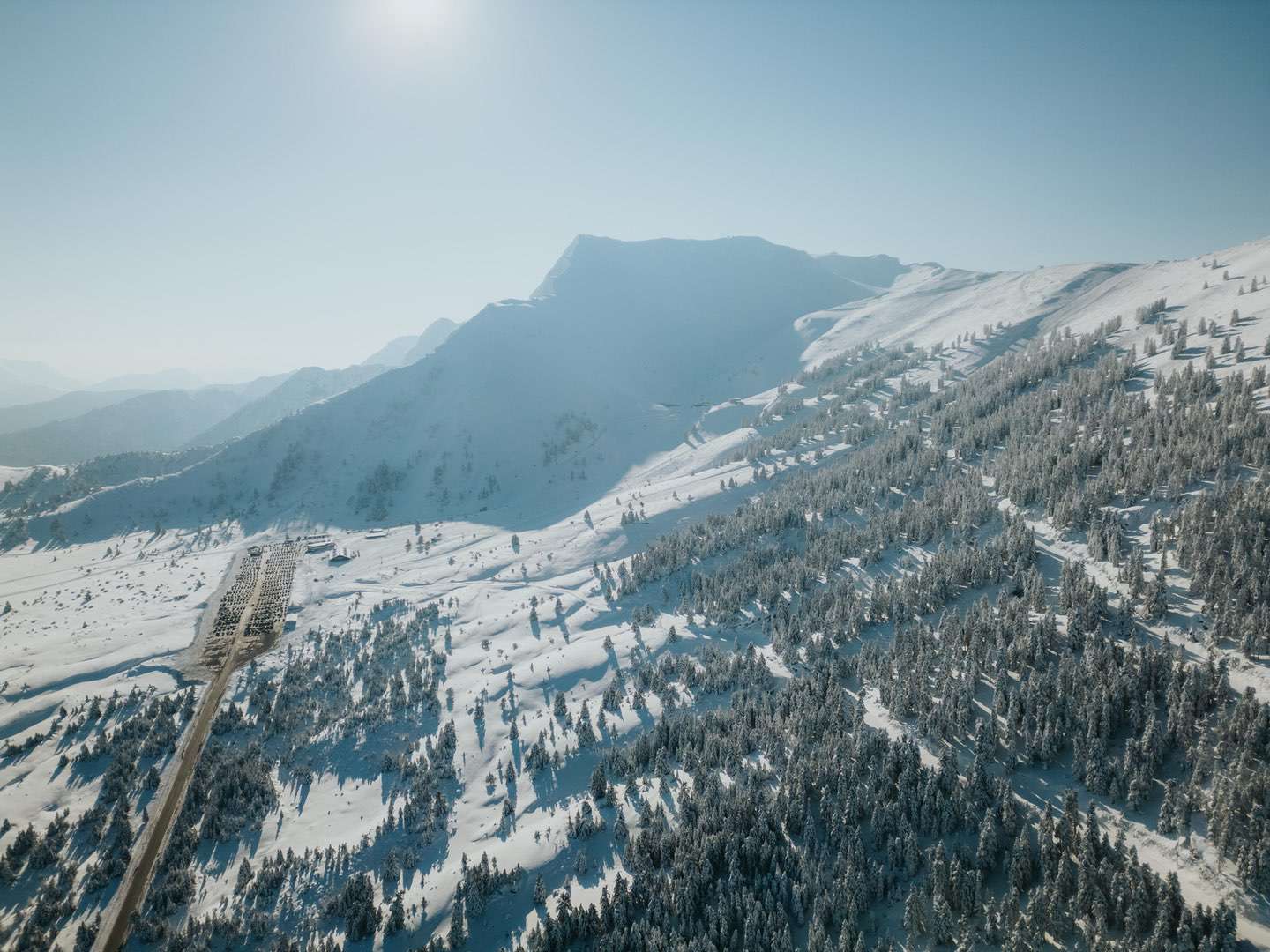
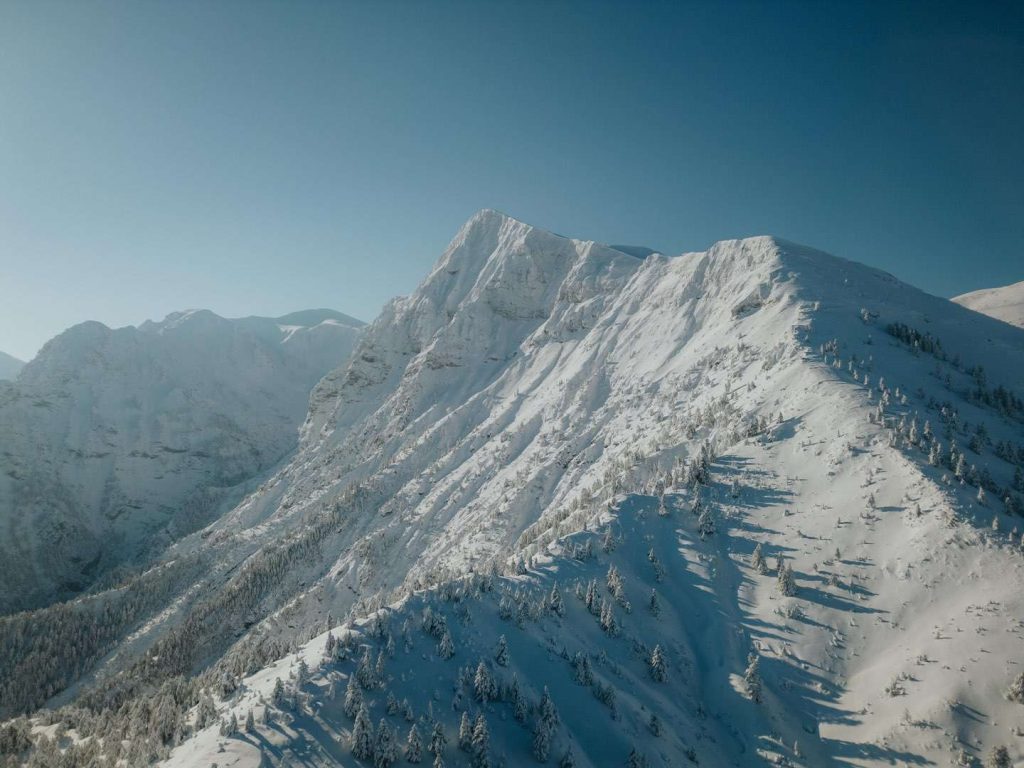
The Geopark’s geological history began 485 million years ago with the formation of limestone rocks from the Tethys Ocean. The collision of lithospheric plates led to the uplift of mountain ranges like Chelmos, where glaciers formed, leaving behind glacial lakes and valleys.
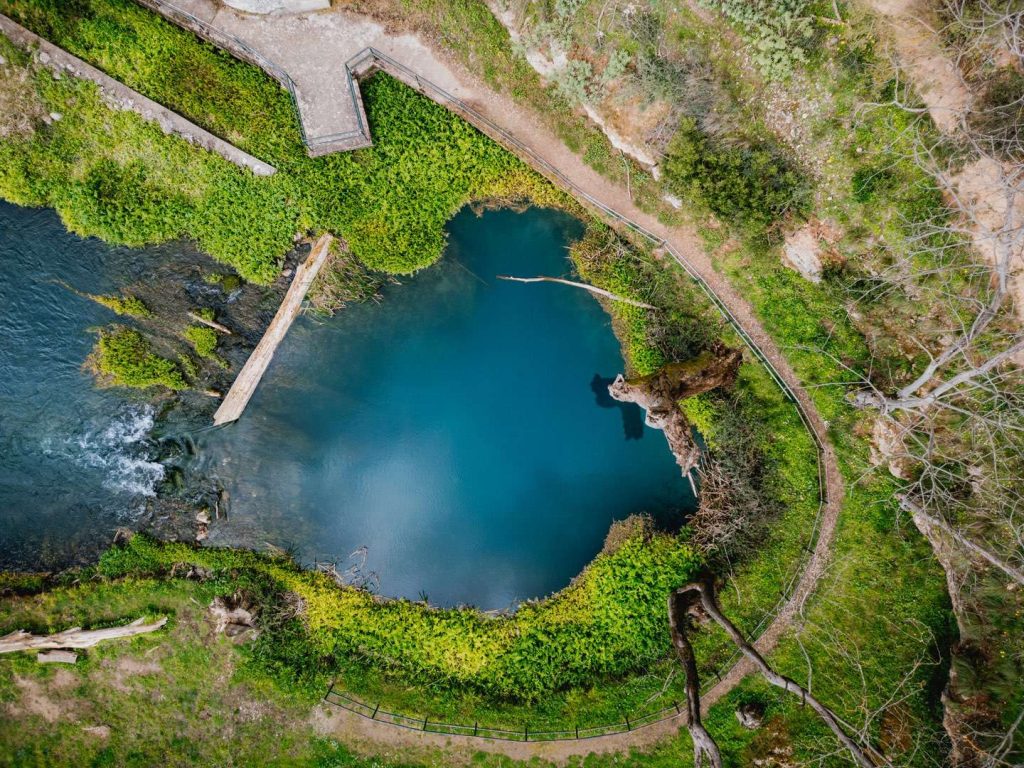
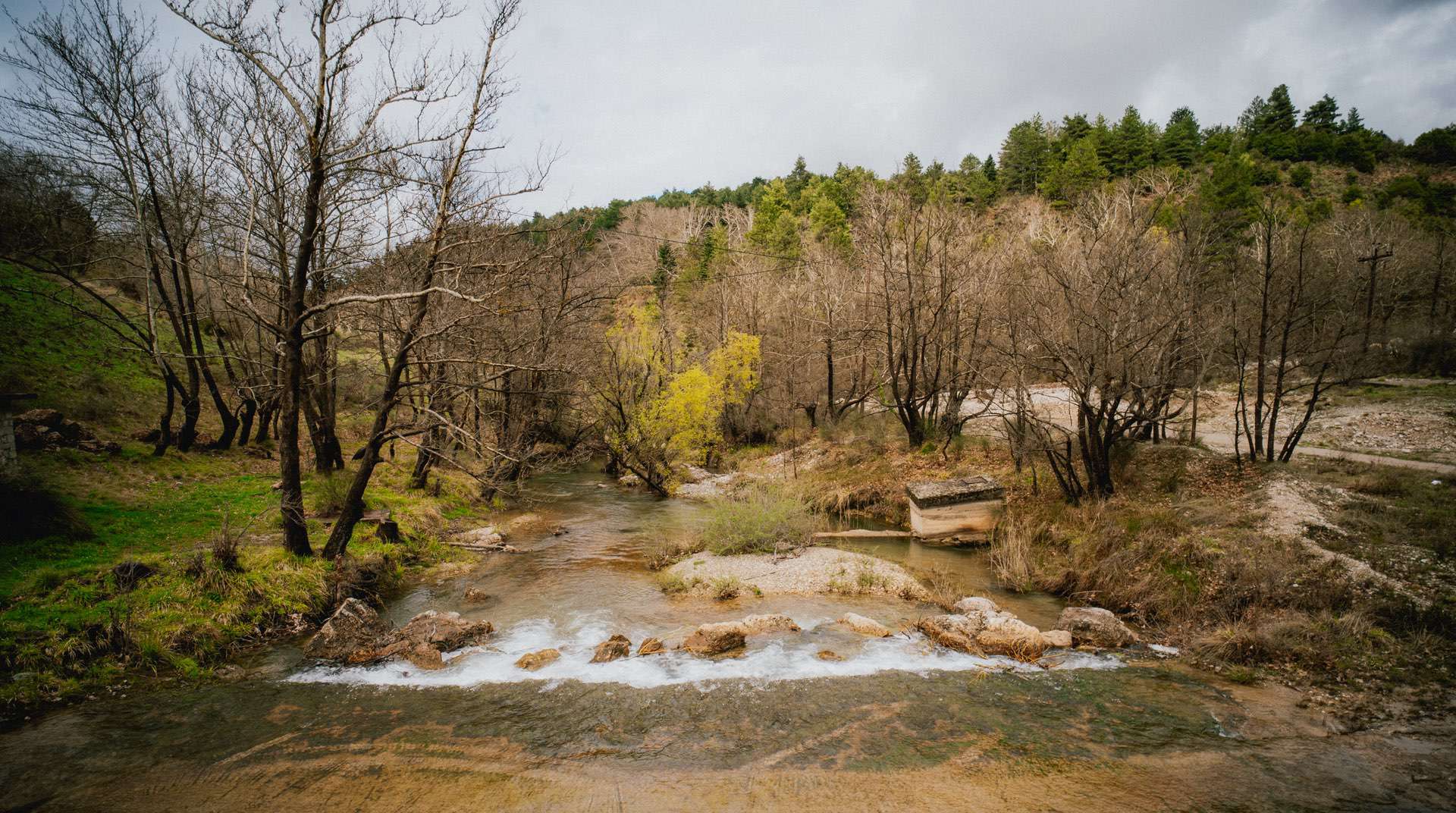
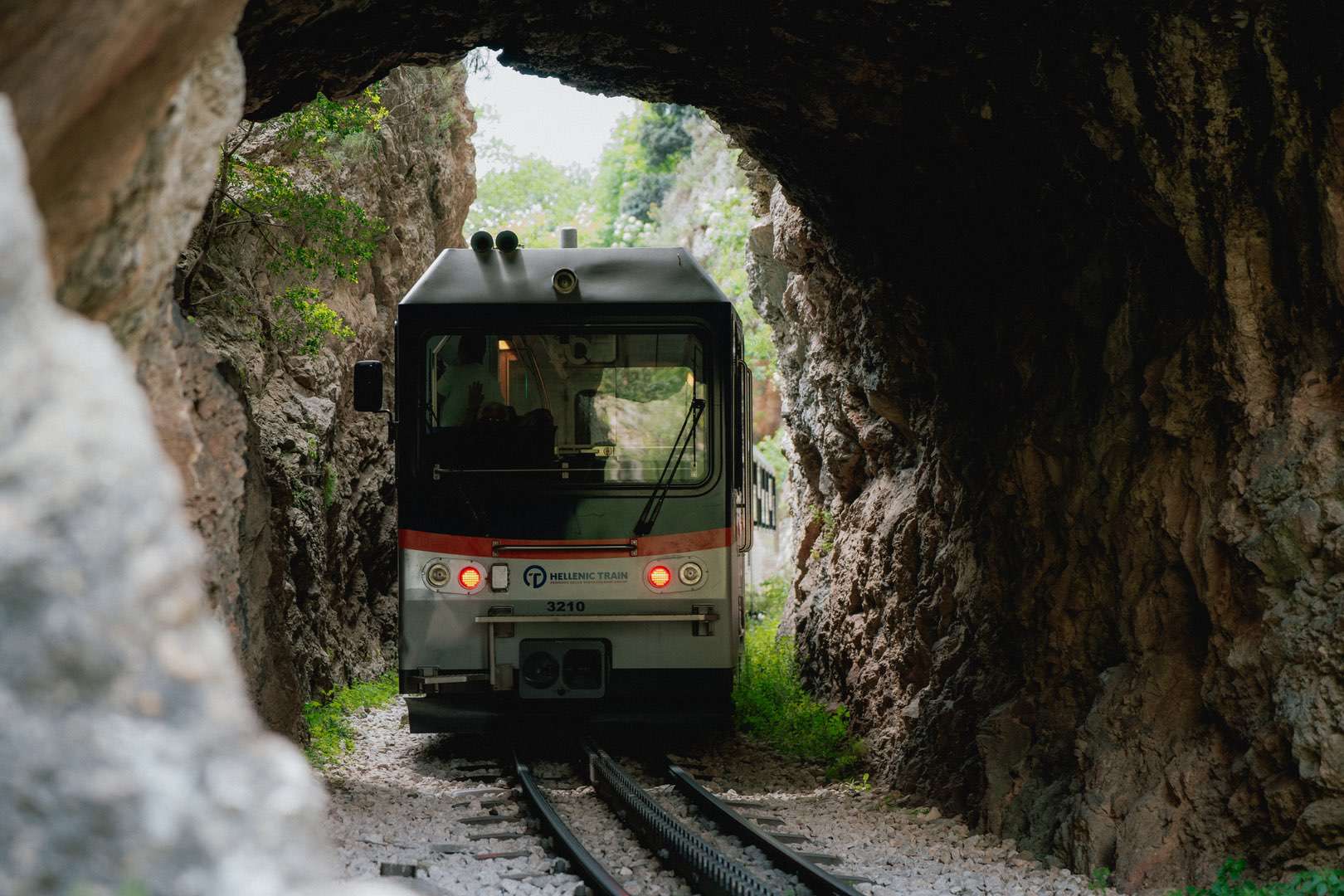
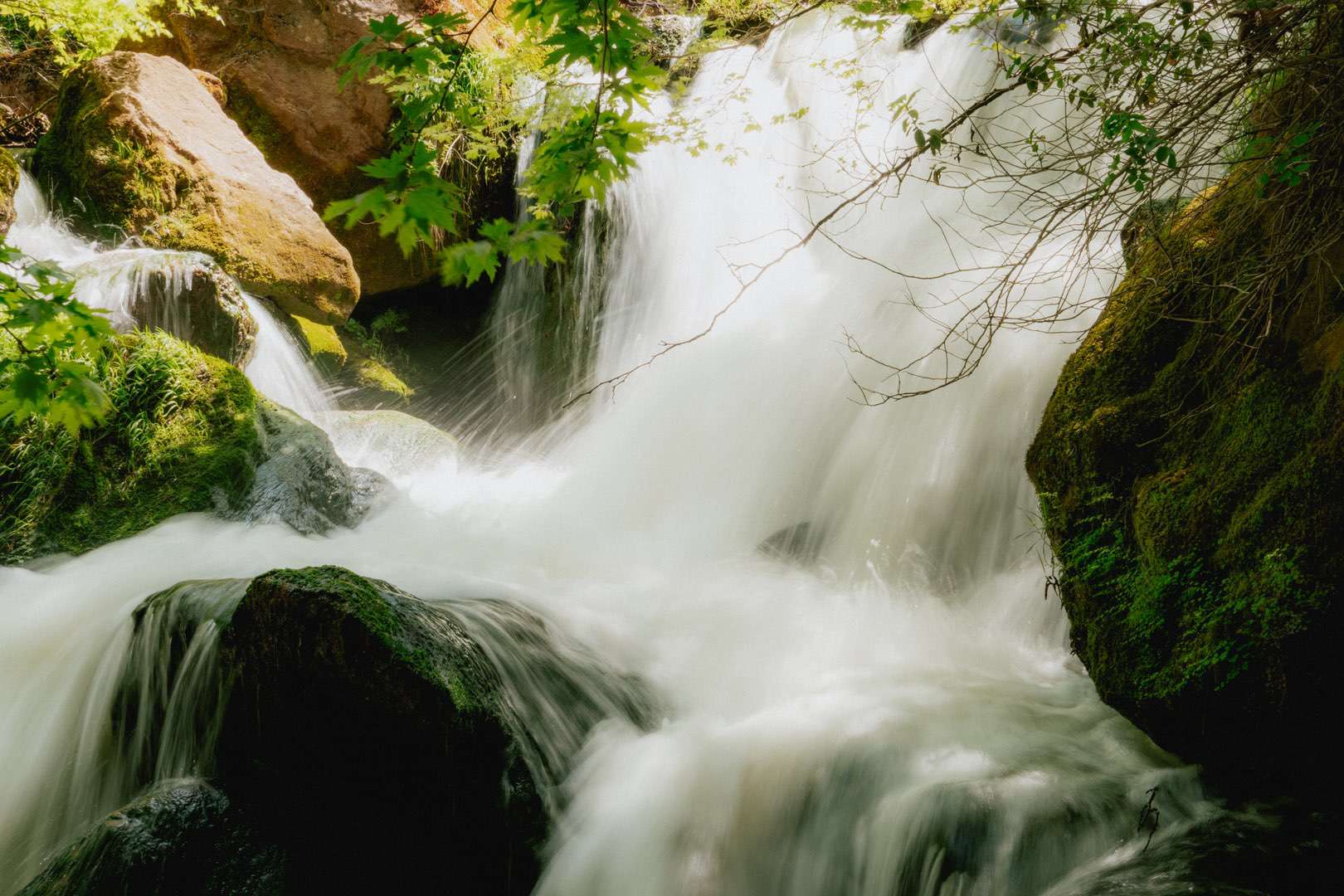
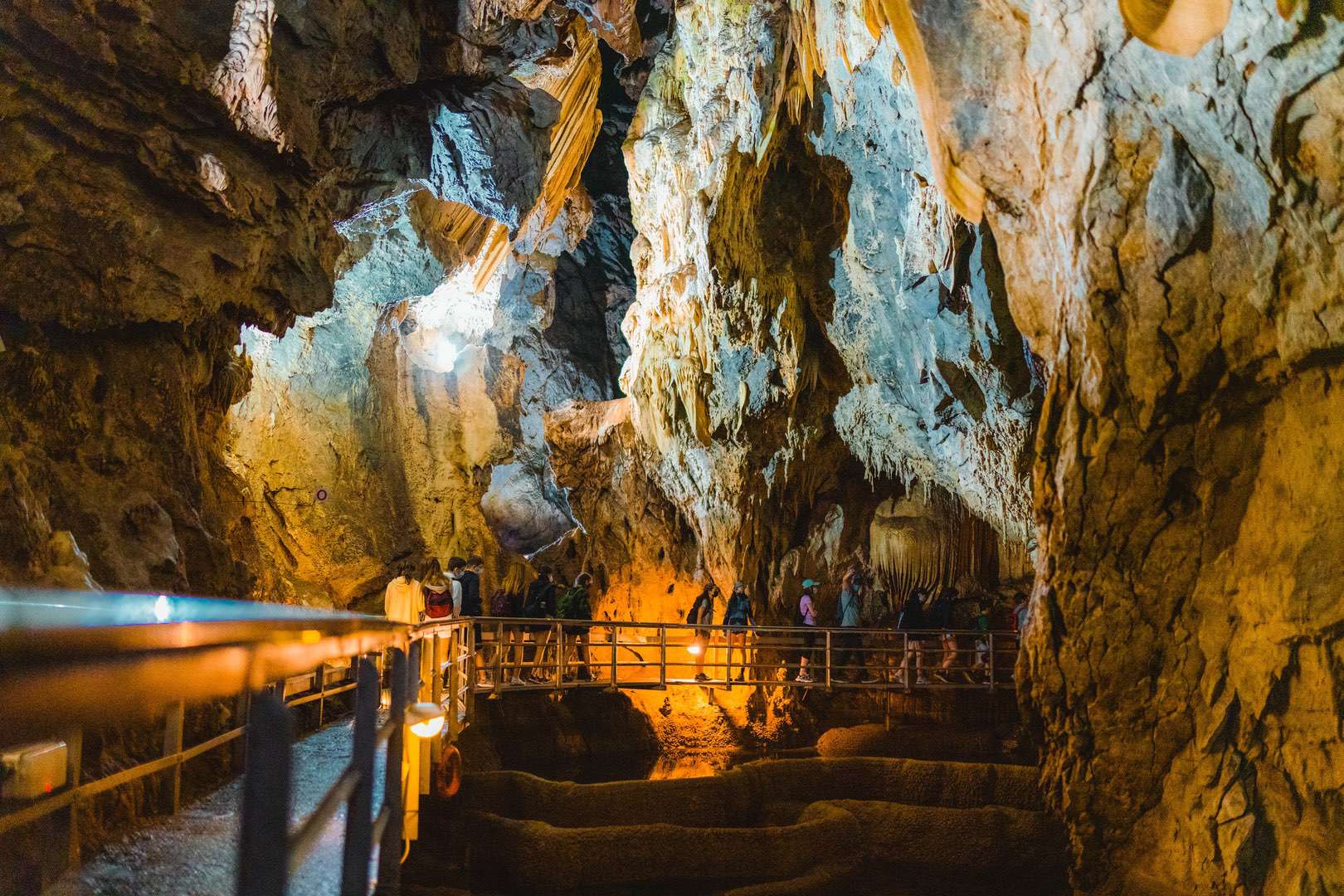
Water has sculpted karst landforms, such as the Cave of Lakes, while rivers and lakes have left fossils testifying to the existence of ancient forests and large mammals. The Vouraikos Gorge, one of the most significant sites, offers unique natural beauty and has been the setting for historical battles.
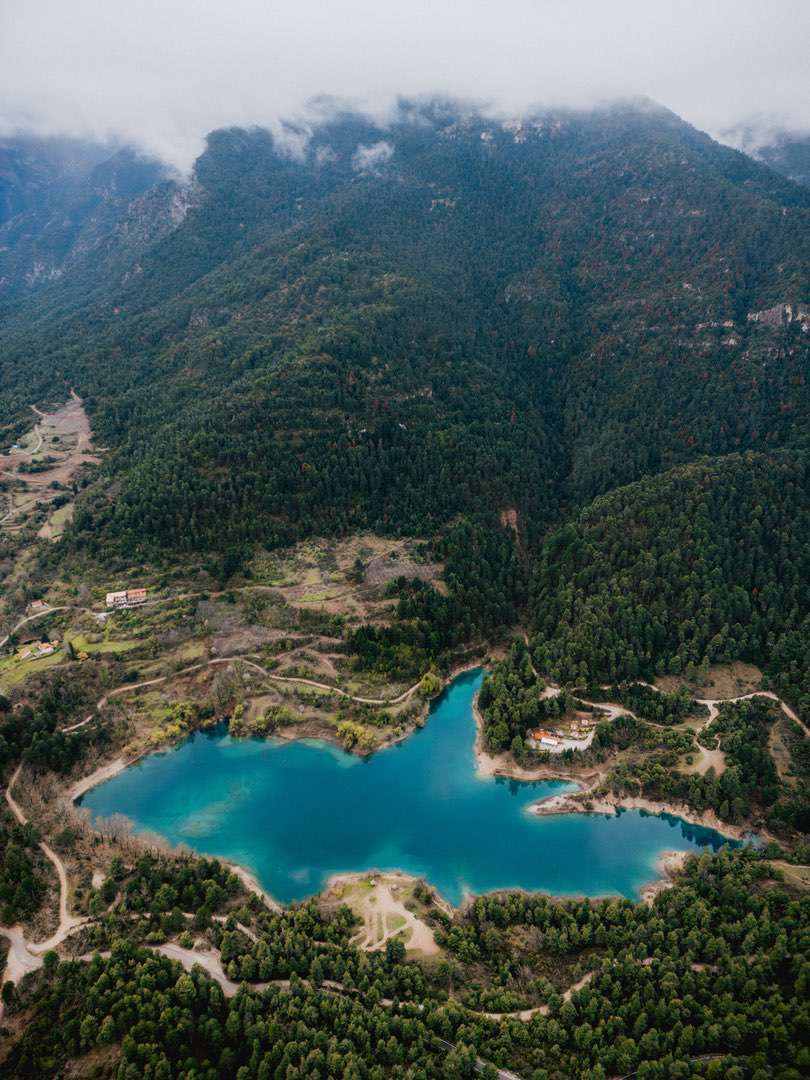
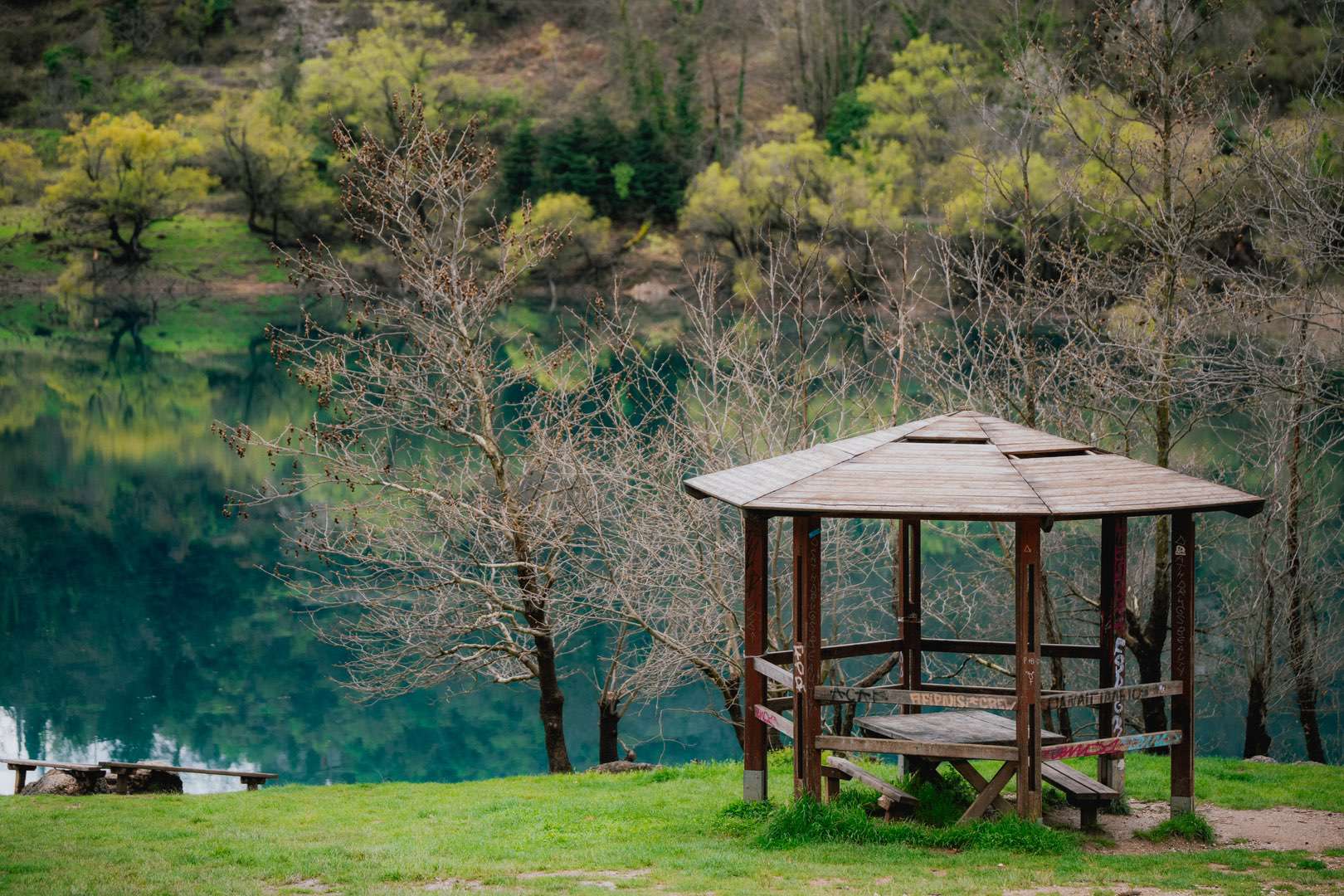
Recent natural disasters, like the landslides that created Lake Tsivlou, are part of the landscape’s natural evolution. In contrast, the artificial Lake Doxa showcases the harmonious coexistence of humans and nature. The area is home to over 1100 plant species, many of which are endemic, while mythology is closely linked to geosites like the Styx waters. The region also boasts a rich history, playing a significant role in Greece’s liberation struggles.
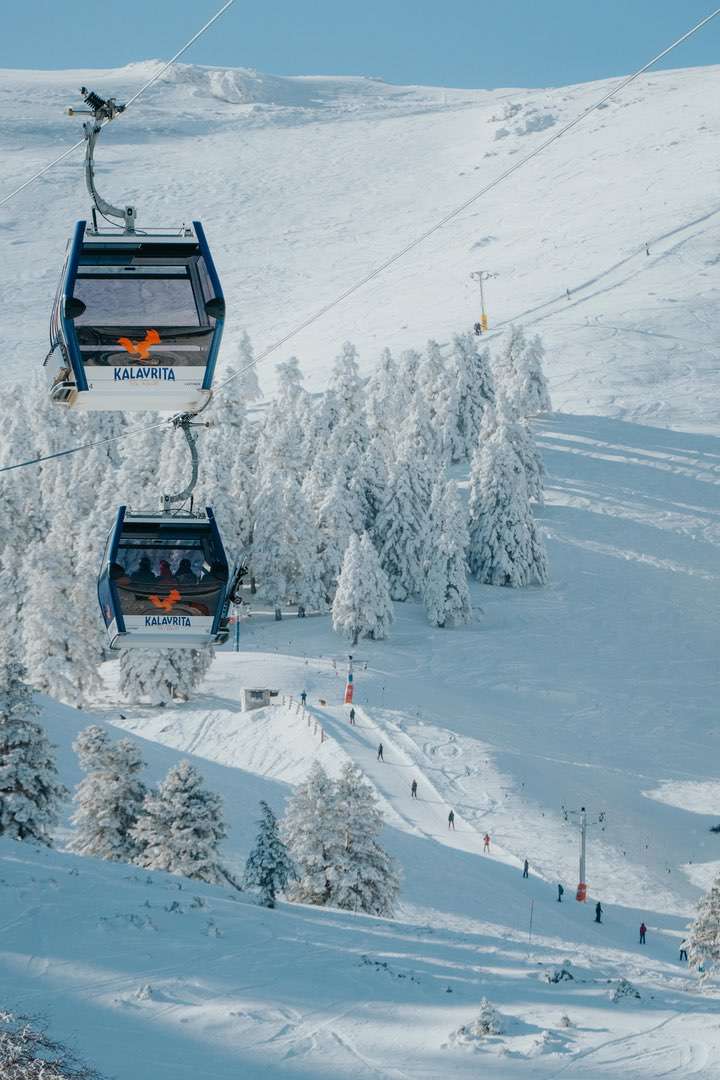
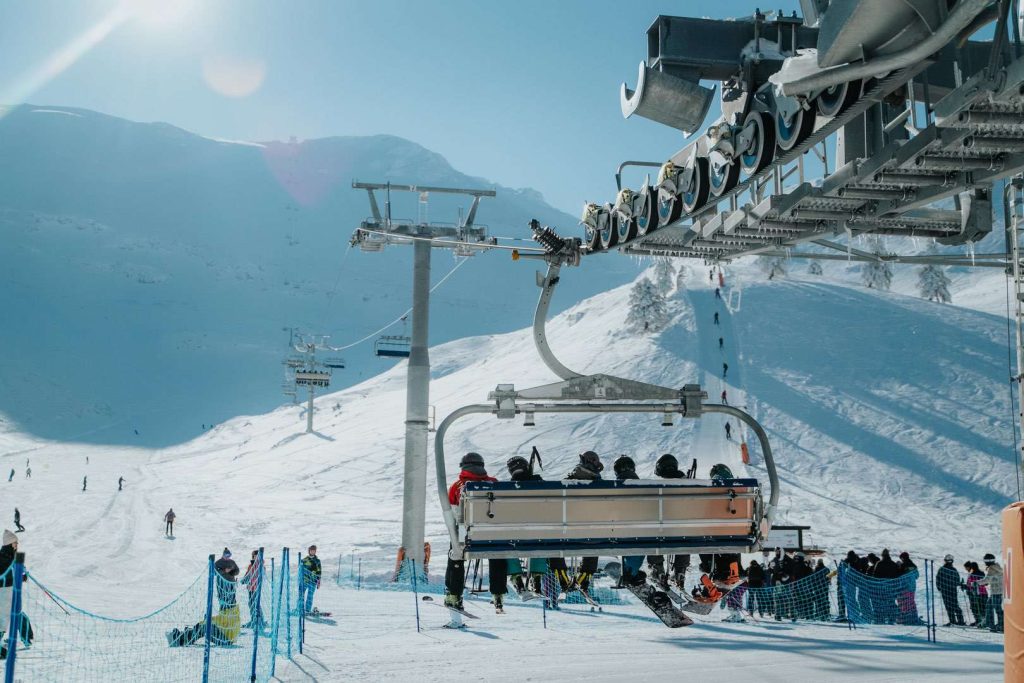
Local residents are primarily farmers and livestock breeders, producing renowned local products like dairy, honey, and legumes. Tourism is also a major economic driver, attracting thousands of visitors year-round for alternative activities such as skiing and hiking.
The Chelmos-Vouraikos Geopark promotes a sustainable tourism model, aiming for the development and prosperity of the local community by showcasing its unique heritage.
Geoparks and Thematic Geotrails
Explore the thematic geotrails of the Geoparks and discover unique landscapes, geological phenomena, and cultural monuments through routes that combine nature and tradition.