Vikos-Aoos UNESCO Global Geopark
A Few Words
Vikos-Aoos Geopark, located in Epirus, encompasses the municipalities of Zagori and Konitsa. Established in 2010 and part of the UNESCO Global Geoparks since 2015, it
is managed by the Development Agency of Epirus S.A.- Organization for Local Development (EPIRUS S.A.).
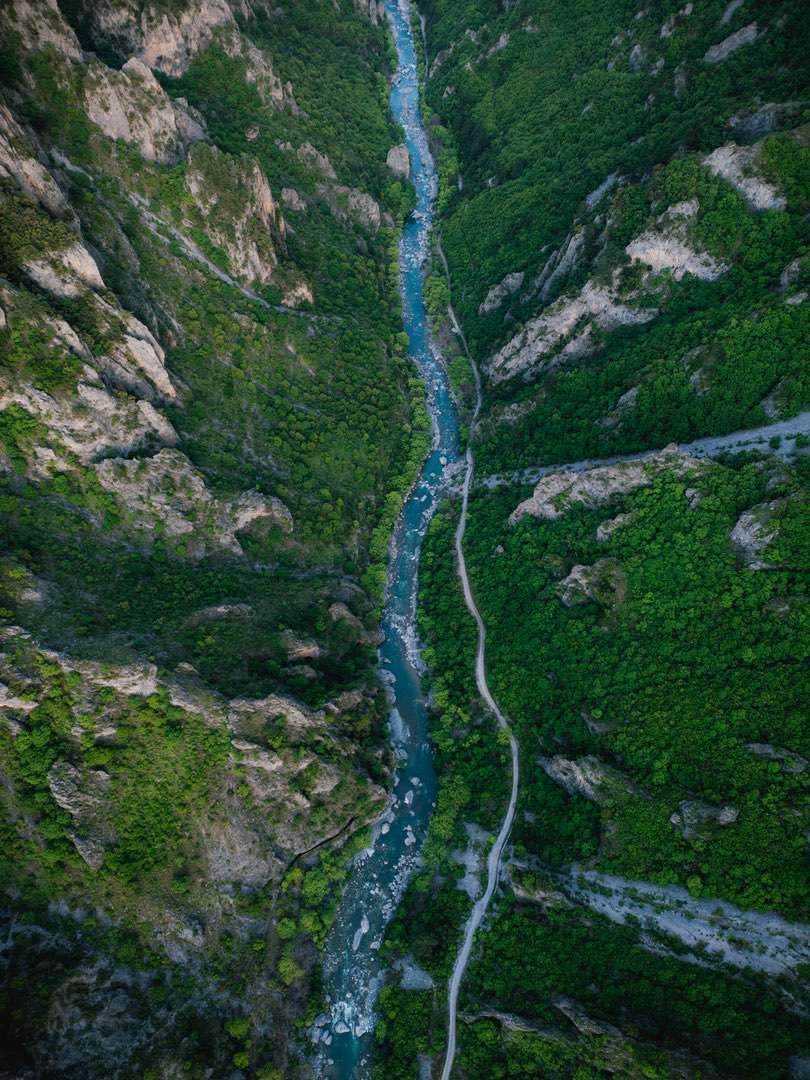
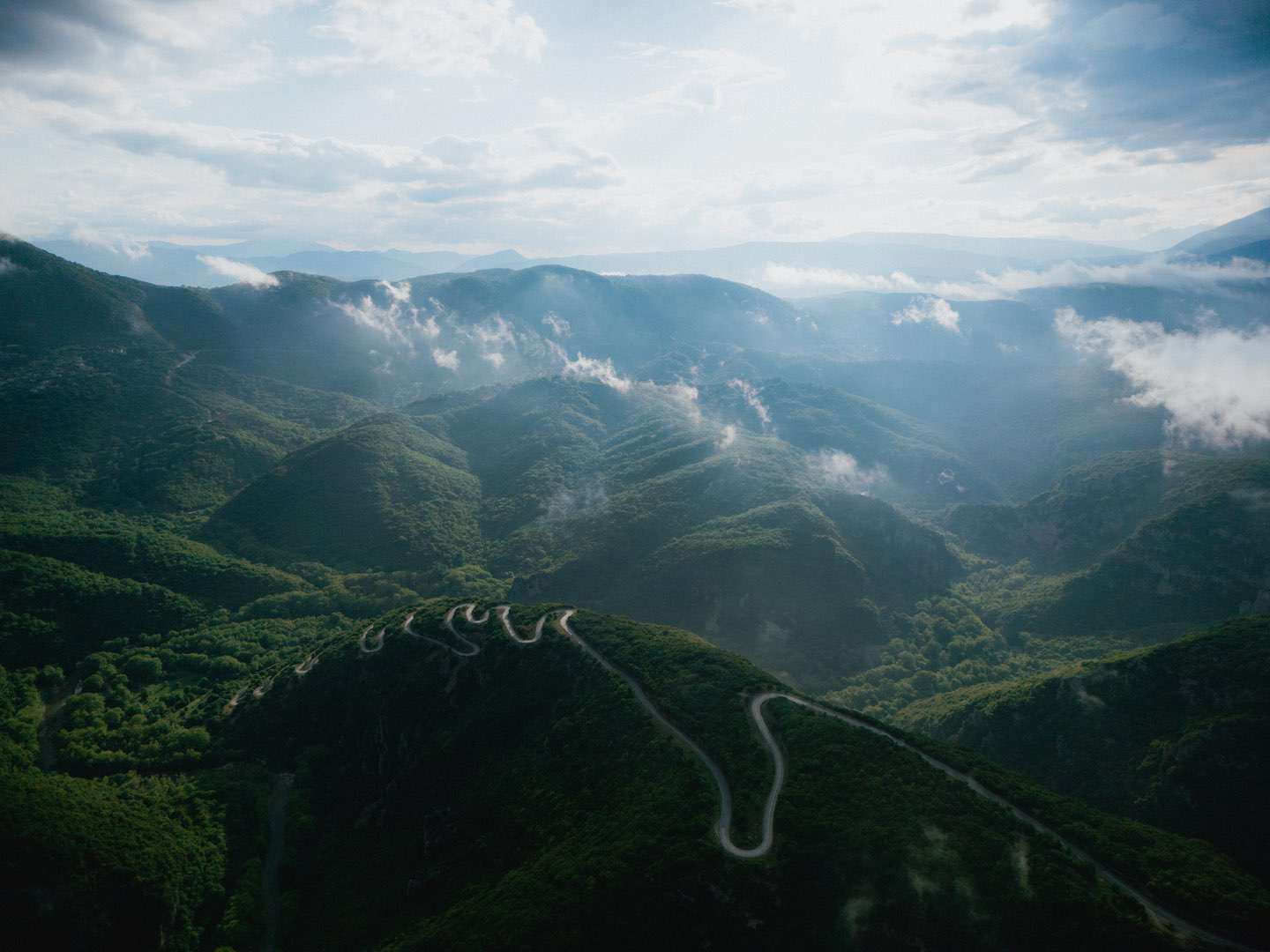
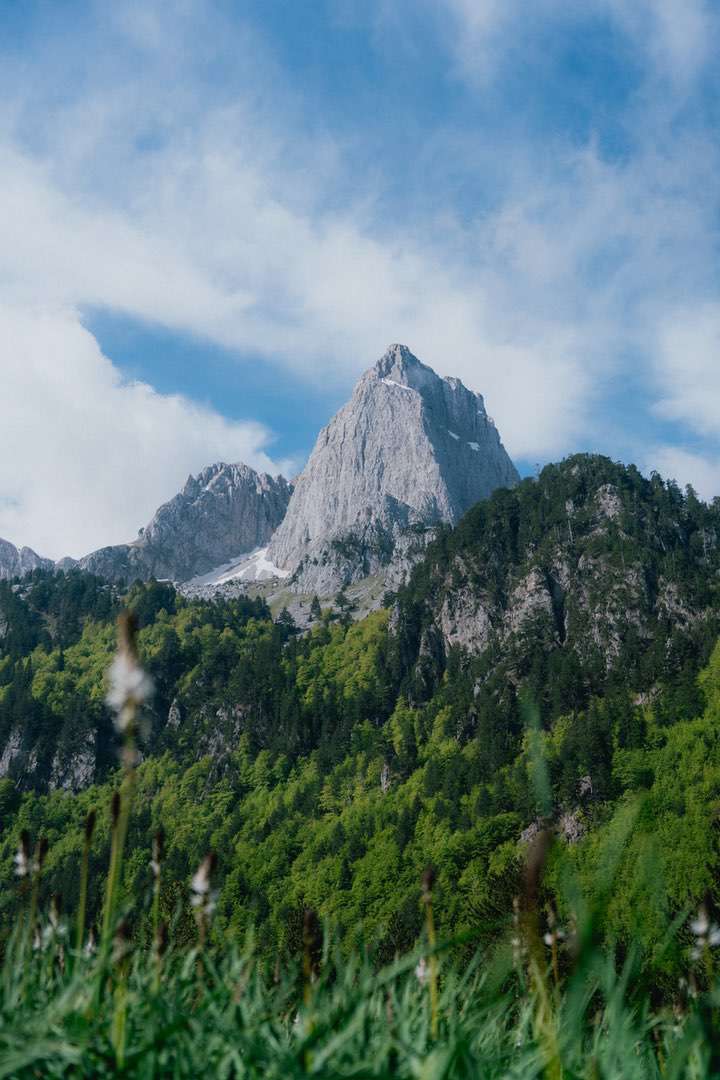
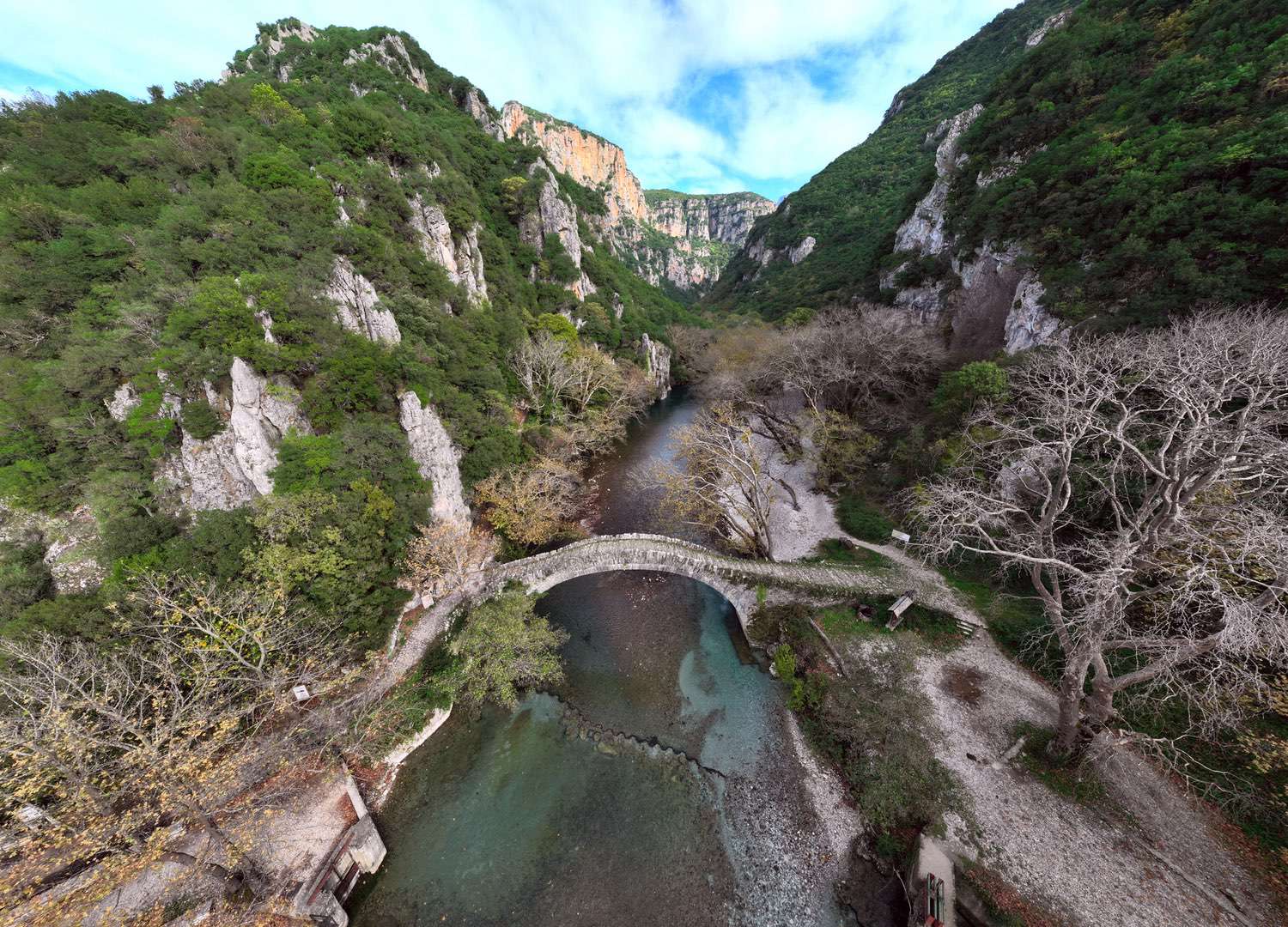
Covering 1,200 km², the area is defined by the Vikos and Aoos gorges, the Tymfi (2,497 m) and Smolikas (2,637 m) mountains, and the Aoos, Voidomatis, and Sarantaporos rivers. Tymfi consists mainly of sedimentary rocks such as limestone, dolomite, and turbidites, while Smolikas is dominated by igneous and metamorphic formations, including peridotites and serpentinites.
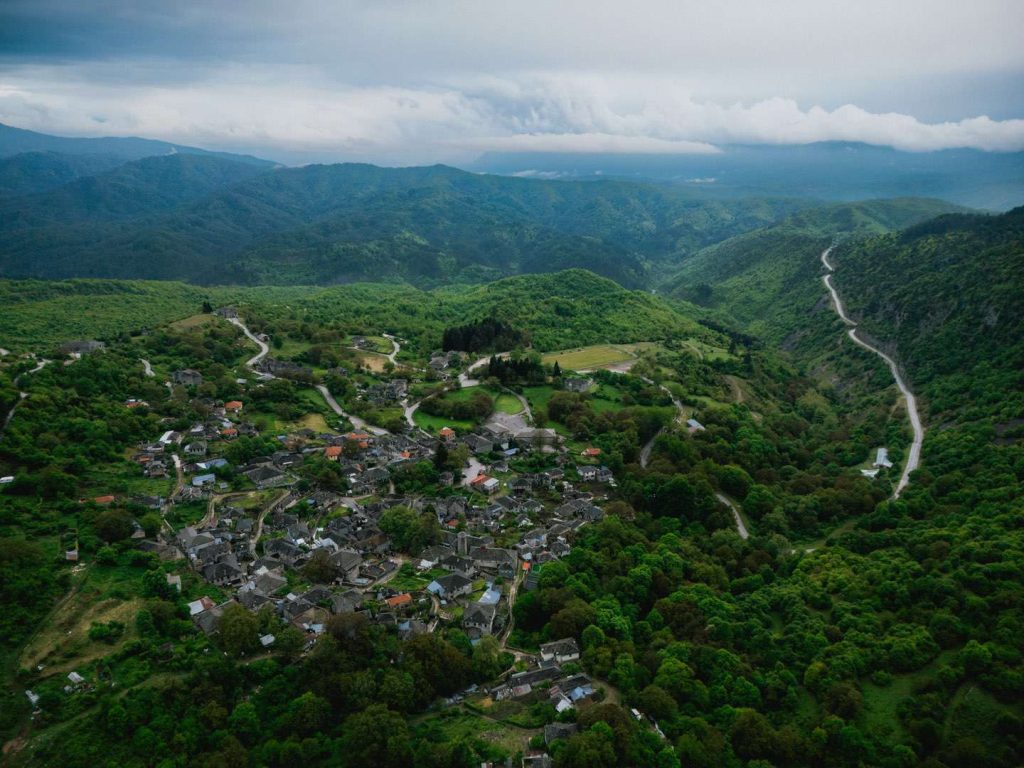
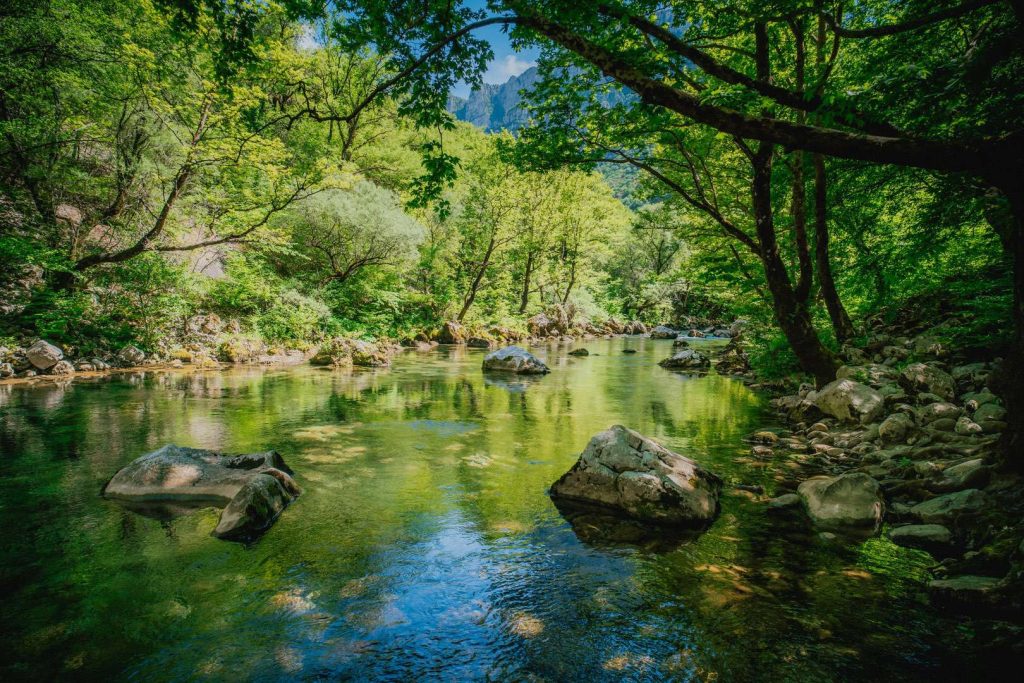
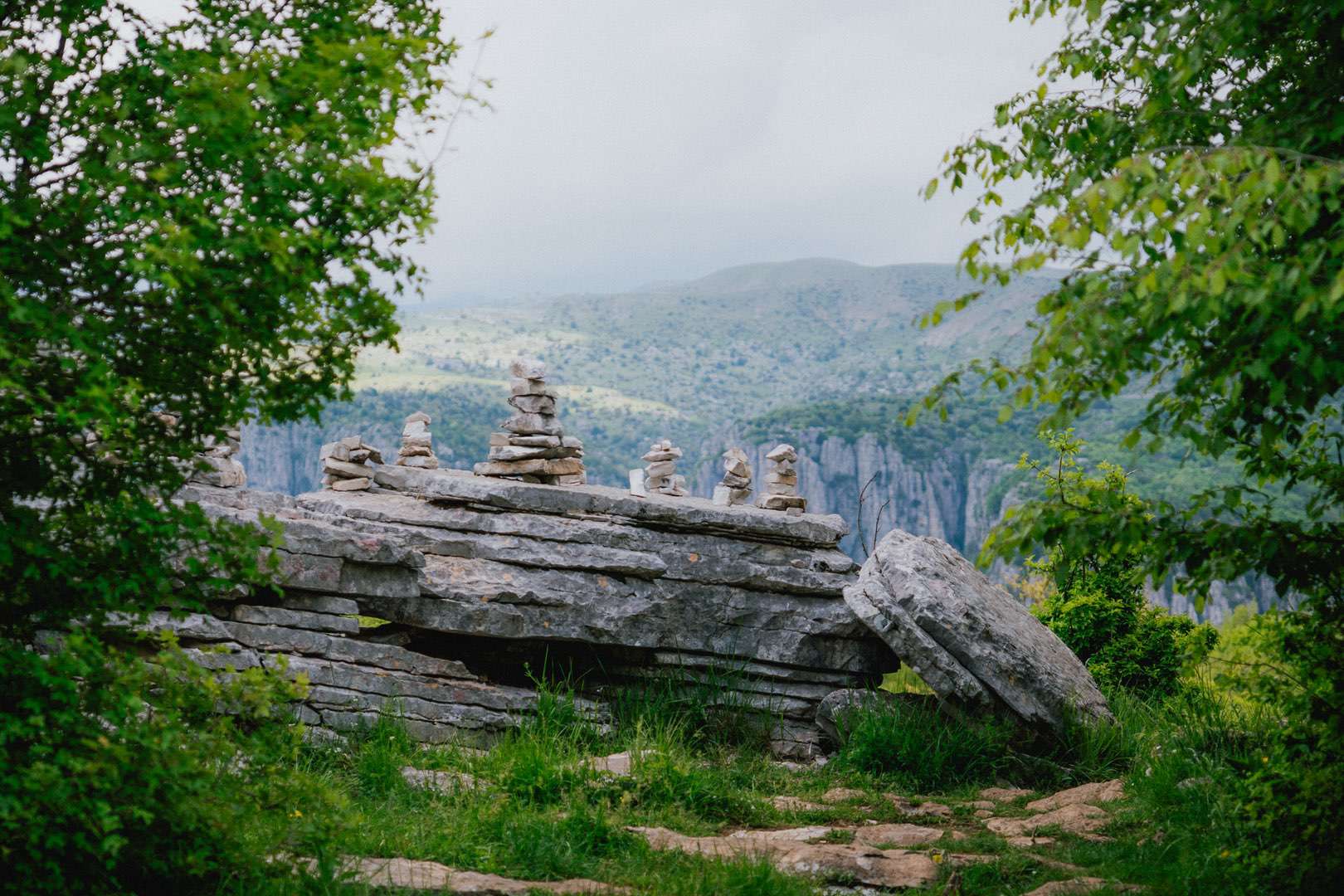
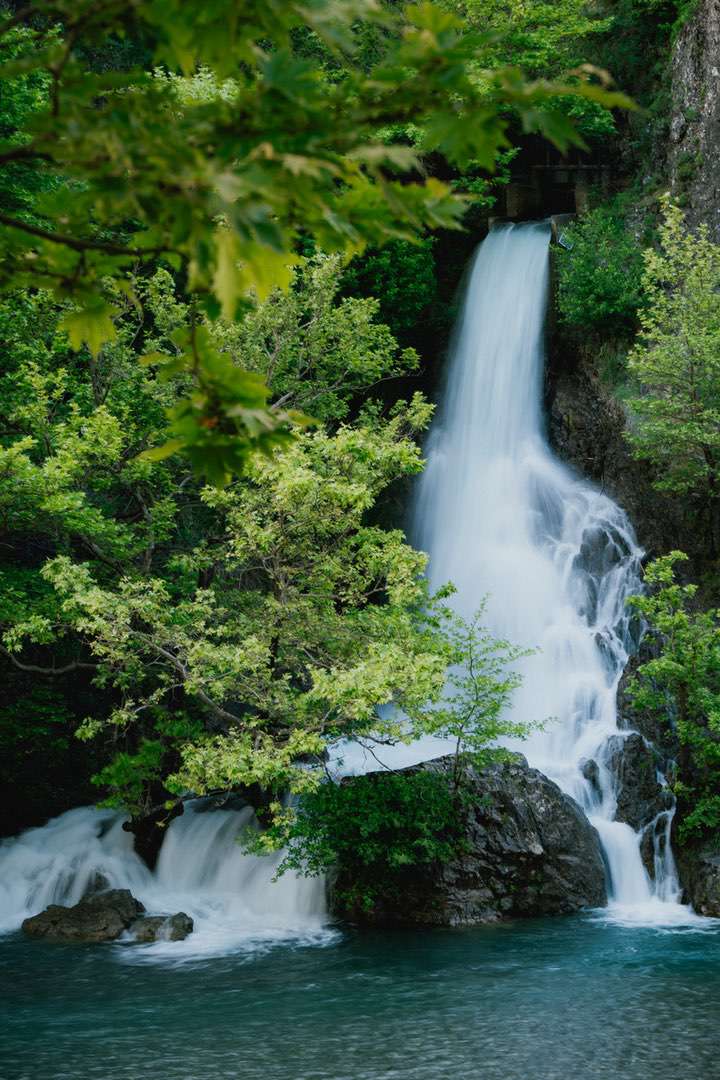
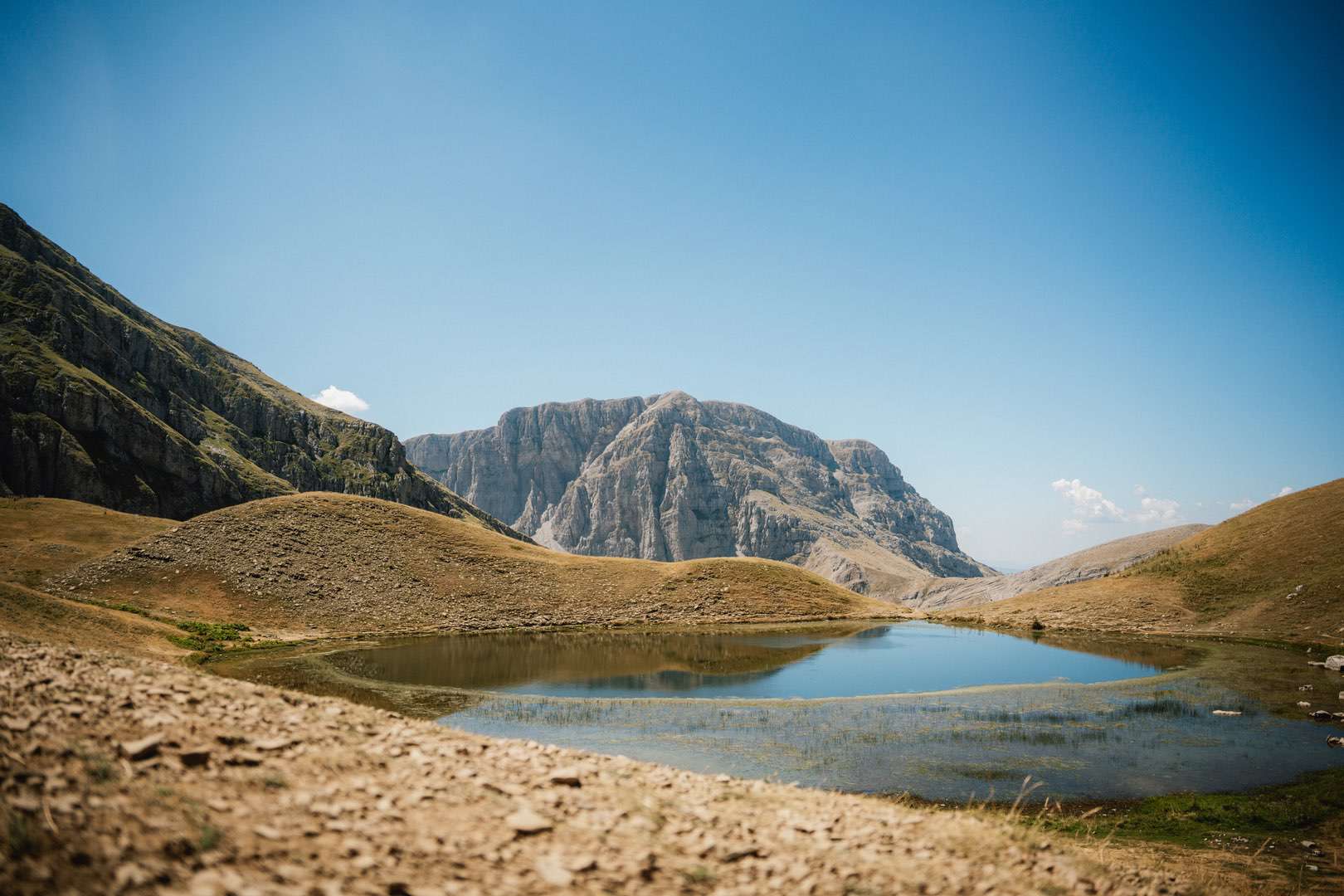
The Geopark hosts 51 geosites of exceptional geological significance, illustrating the history of northern Pindos. They are grouped into seven categories: springs (e.g., Voidomatis sources, Kavasila mineral springs, Amarantos thermal and steam springs); tectonic structures (Konitsa and Kapesovo faults); river terraces; rock shelters along the Voidomatis; panoramic viewpoints; karst formations (Astraka plateau potholes, Stone Forest, Theoktista); and glacial remnants, notably the alpine Dragon Lakes.
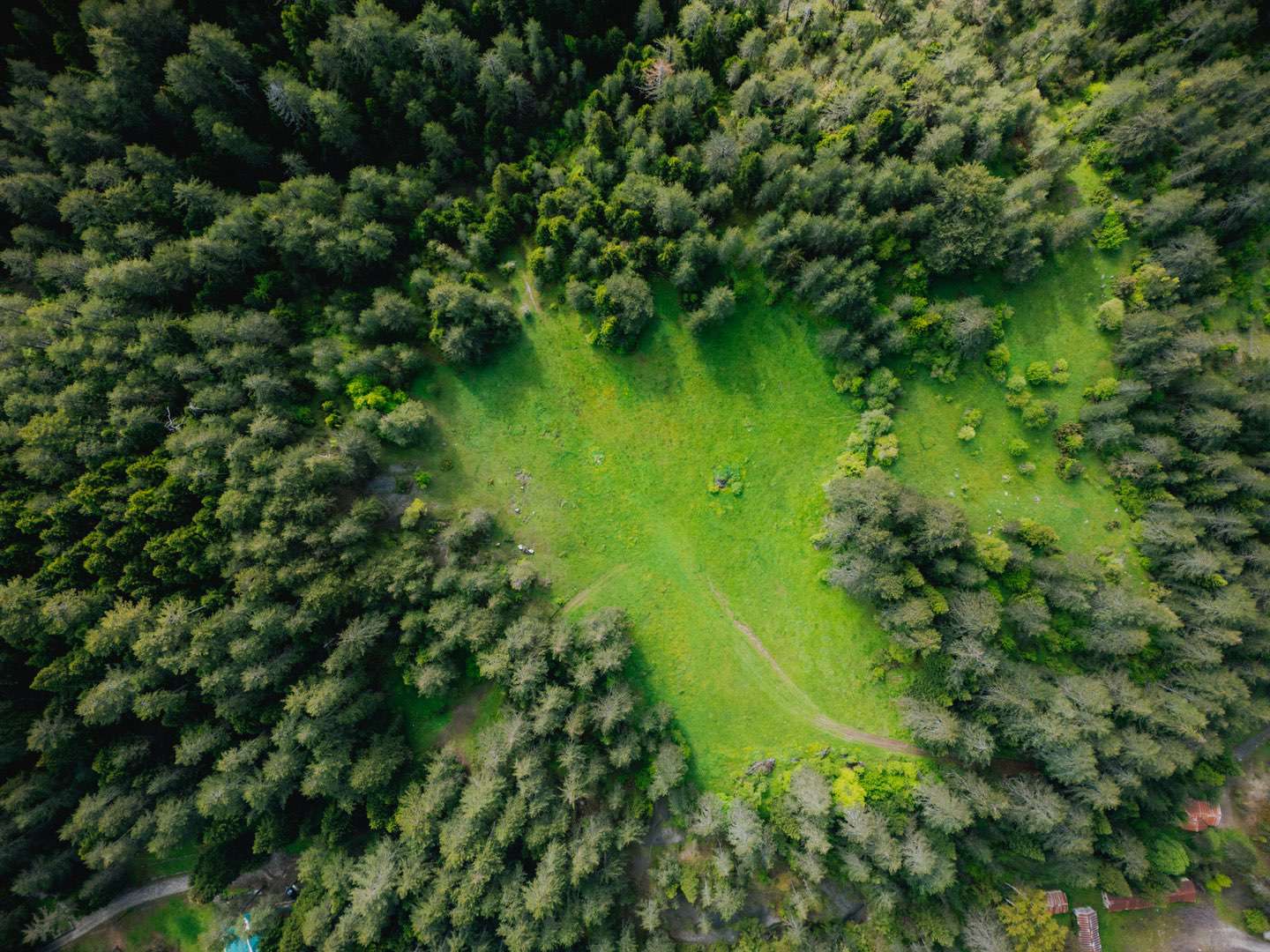
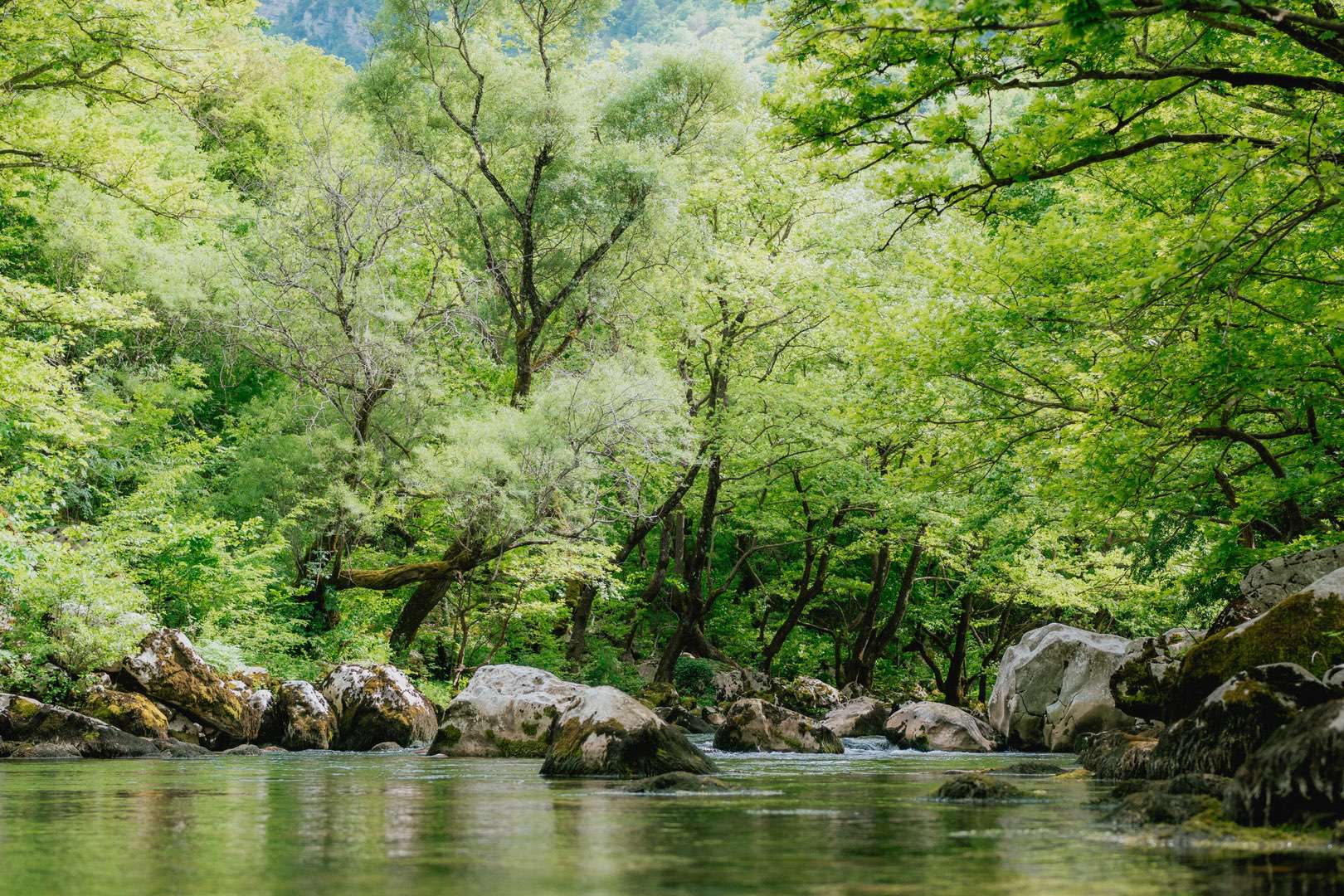
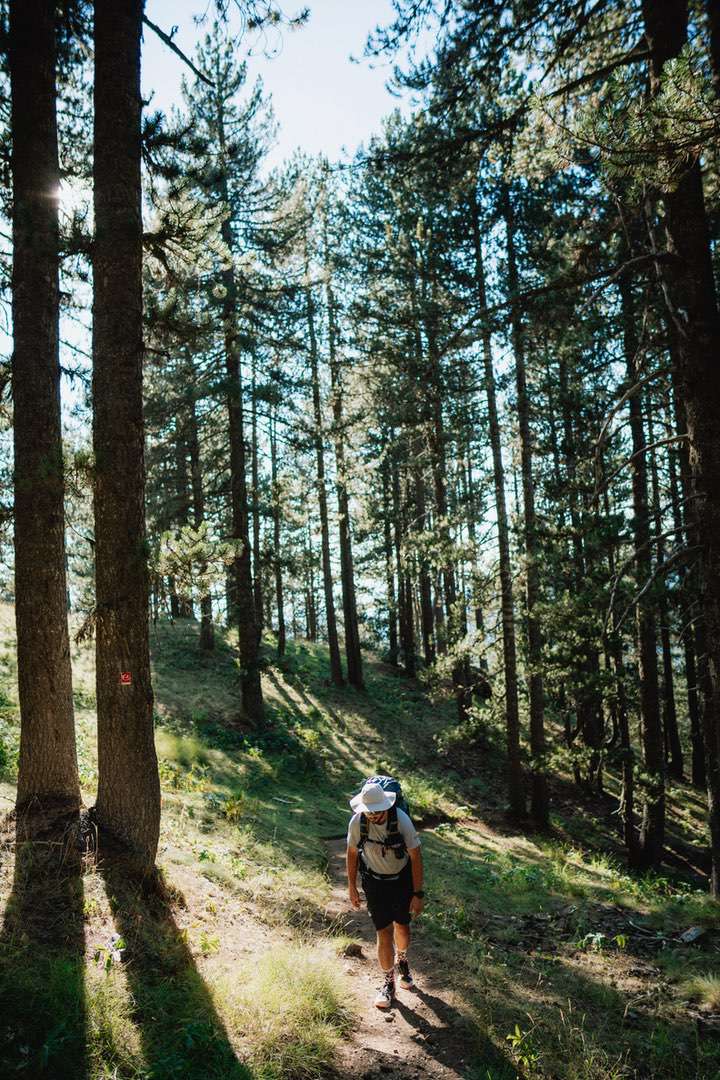
The landscape combines lush vegetation, rocky slopes, and two alpine Dragon Lakes (Tymfi and Smolikas), enriched by local myths. With 1,800 plant species and many rare or protected animals, the area enjoys protection under Northern Pindos National Park and Natura 2000.
The region of the Geopark has been continuously inhabited from the earliest phases of Prehistory to the present day. Its ecogeography offers a key to understanding the cultural development of the area and the formation of its settlements.
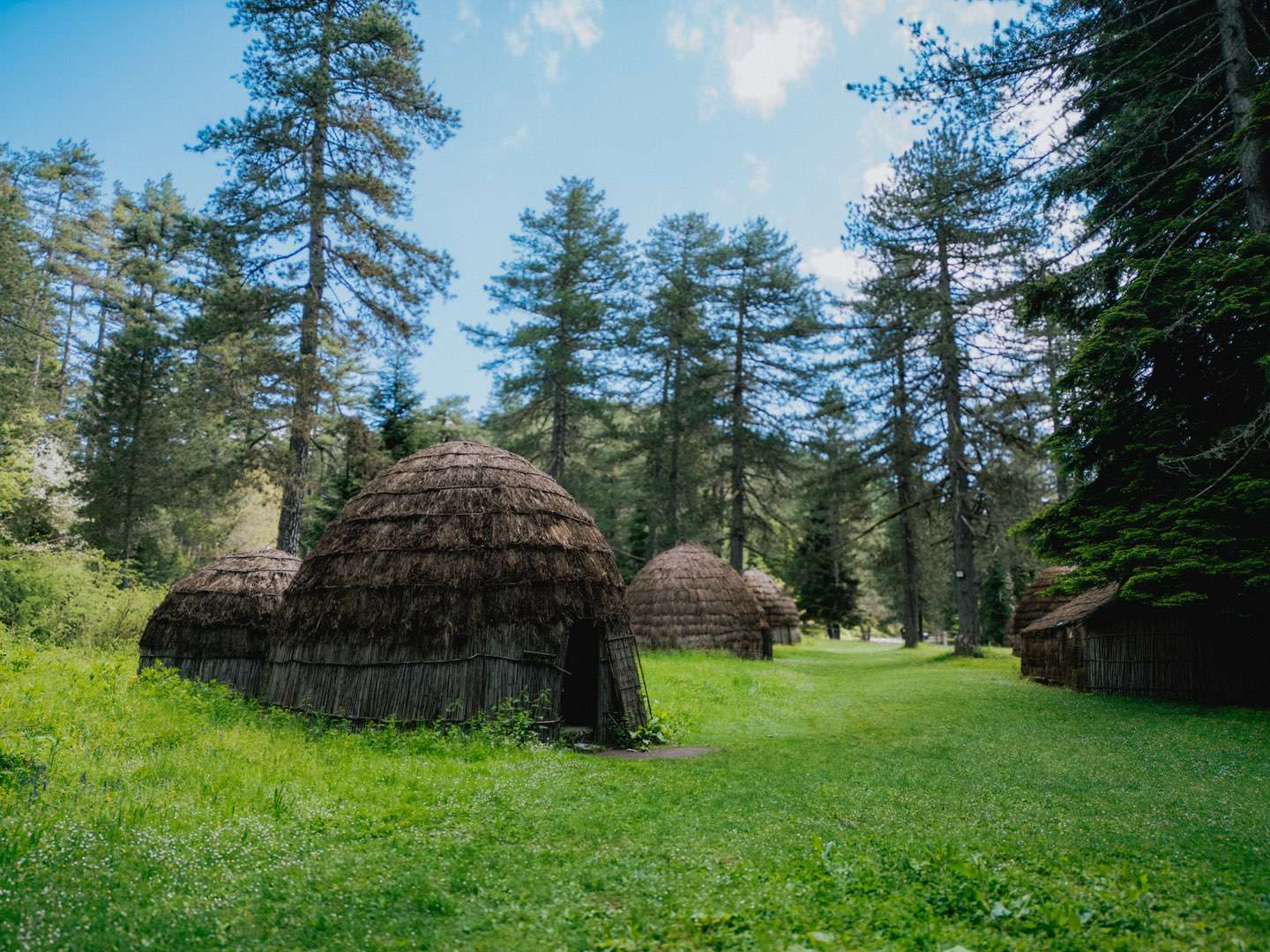
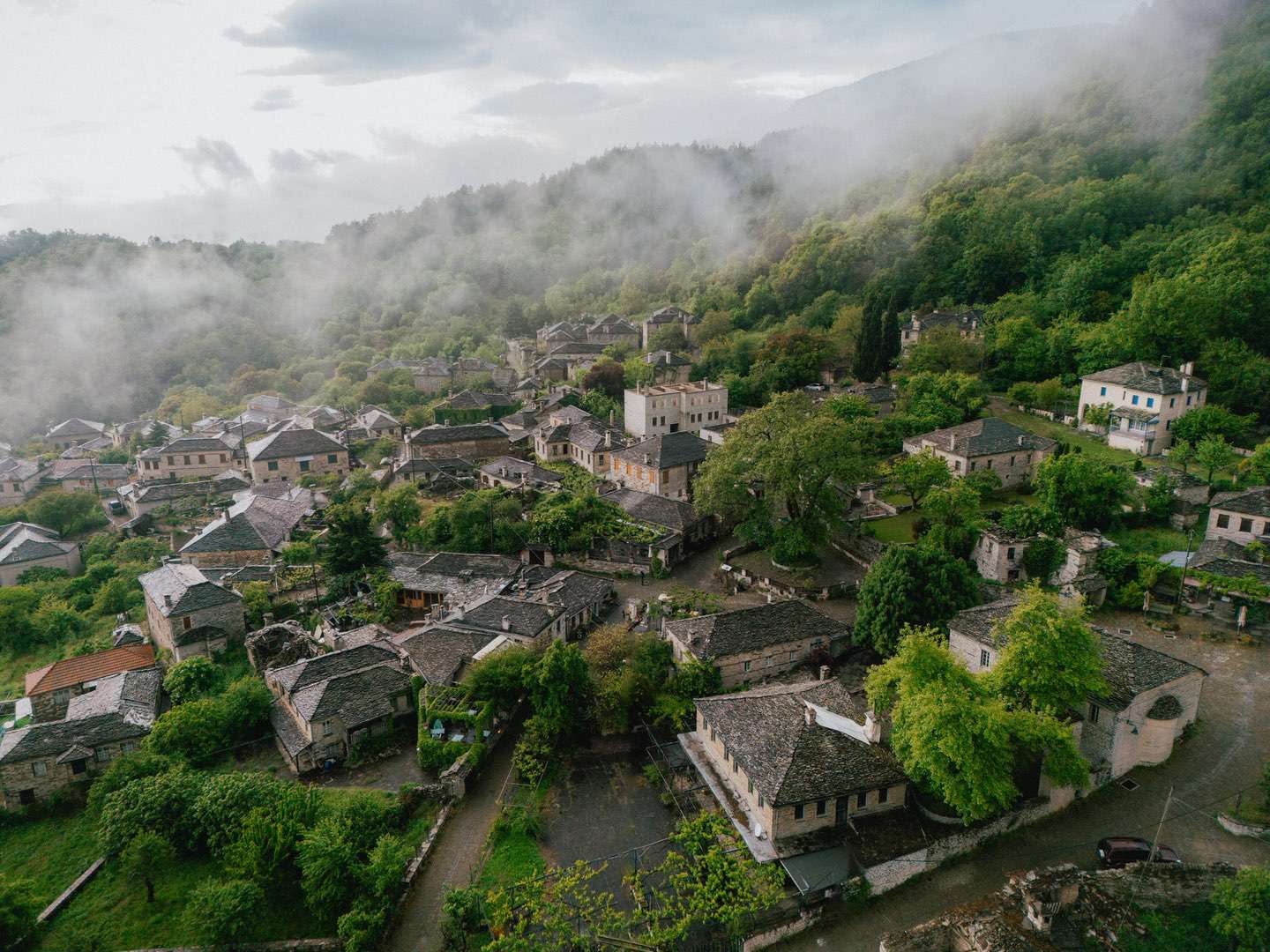
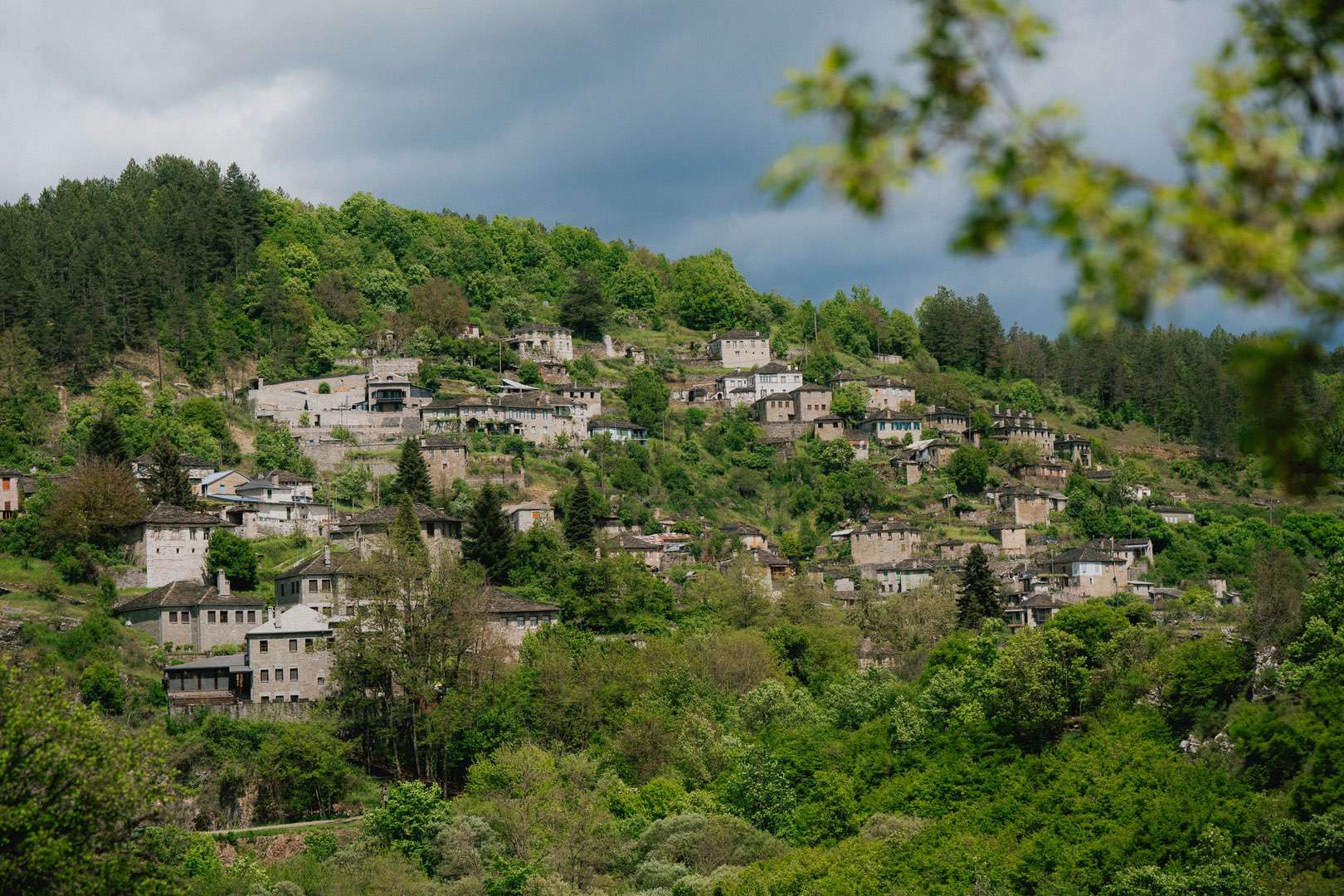
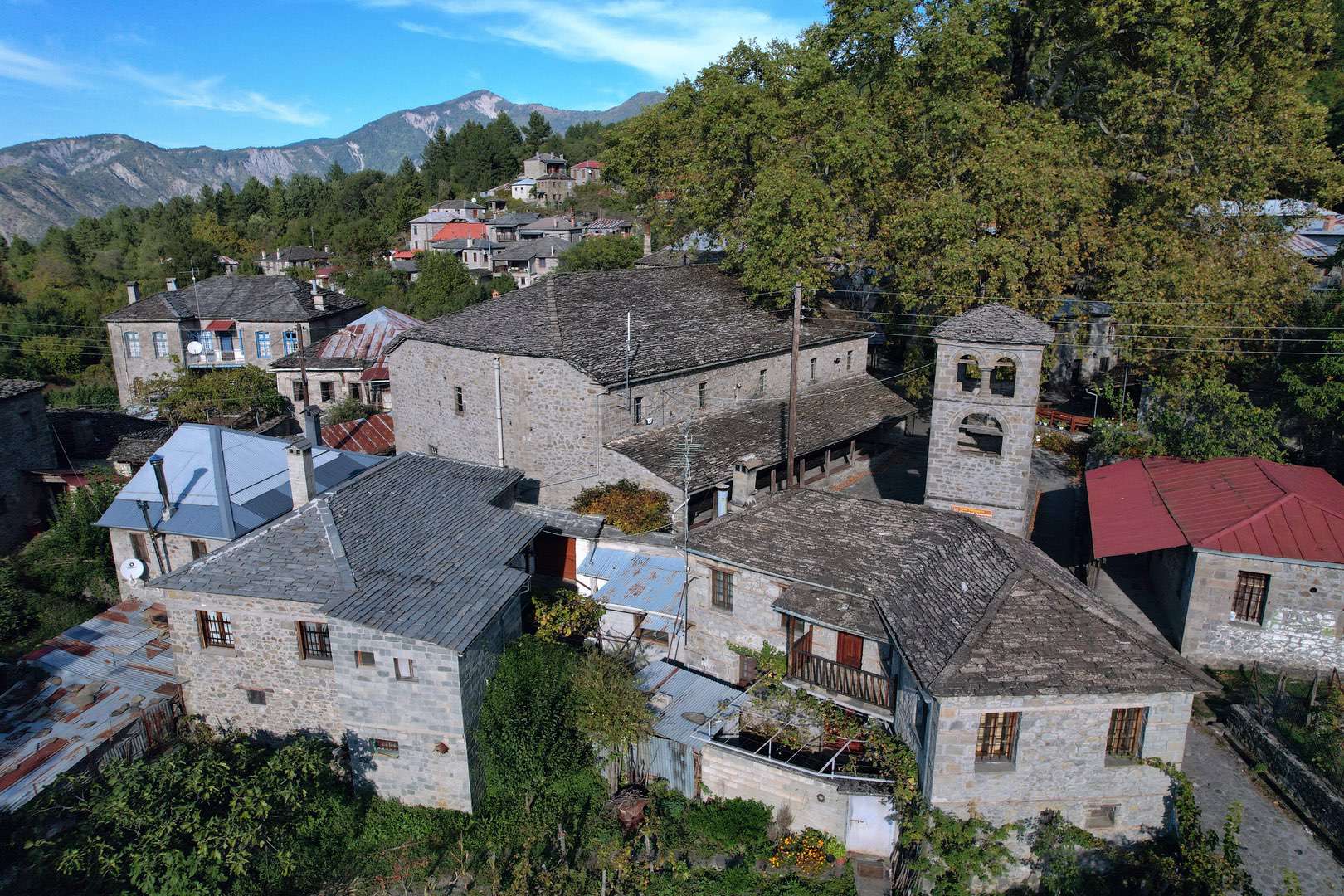
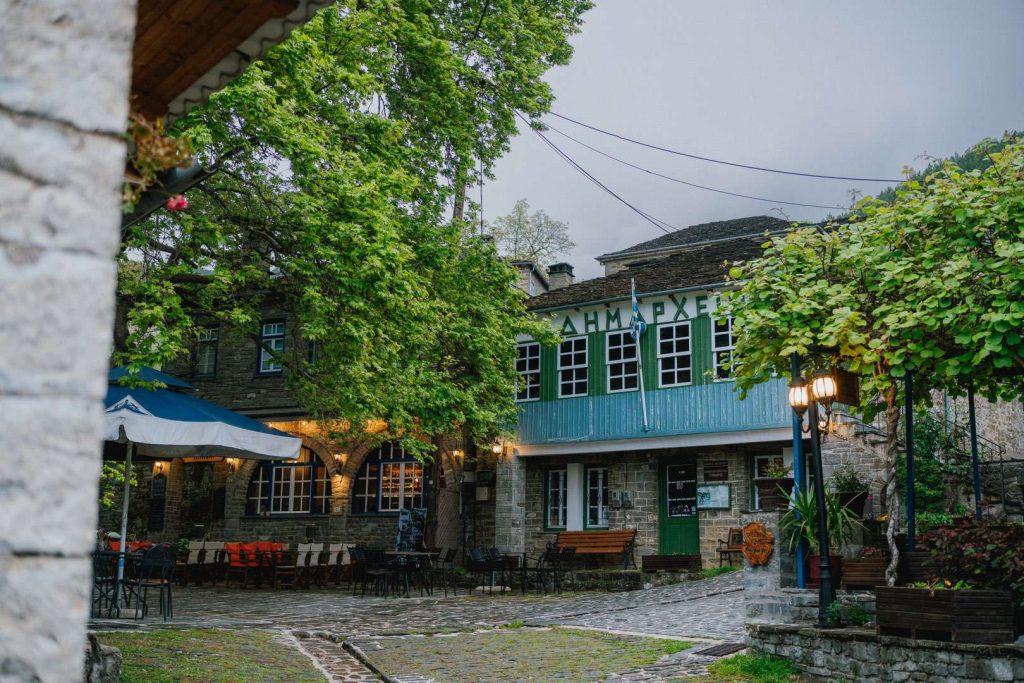
Today, many villages are recognized as traditional, distinguished by their architectural identity, while numerous monuments bear witness to a centuries-old cultural heritage and to the social structures that have shaped the region through time.
Geoparks and Thematic Geotrails
Explore the thematic geotrails of the Geoparks and discover unique landscapes, geological phenomena, and cultural monuments through routes that combine nature and tradition.